
Ritual Tools and Medicina
For Sacred Living
These are not just objects, they are allies.
Tools and medicinas have been used for generations to cleanse, protect, and anchor us in prayer. Whether it’s the grounding force of cedar smoke or the clarity brought by a well-prepared blend, each item here supports the ceremony of everyday life and comes from direct relationship with trusted hands.
Traditional Kuripe - Handmade in Peru
A kuripe is a traditional self-applicator used for working with rapéh (rapeh); a sacred medicine traditionally used throughout parts of the Amazon for prayer, grounding, focus, cleansing, and connection.
More than simply an object, the kuripe is a ceremonial tool.
Something used intentionally.
With prayer.
With respect for the traditions and medicines it is connected to.
Each kuripe in our collection is handmade in Peru and sourced through Hugo and his family in Pisac, who have spent many years providing traditional medicines, ceremonial tools, and artisan work to their local community and to those walking this path with sincerity.
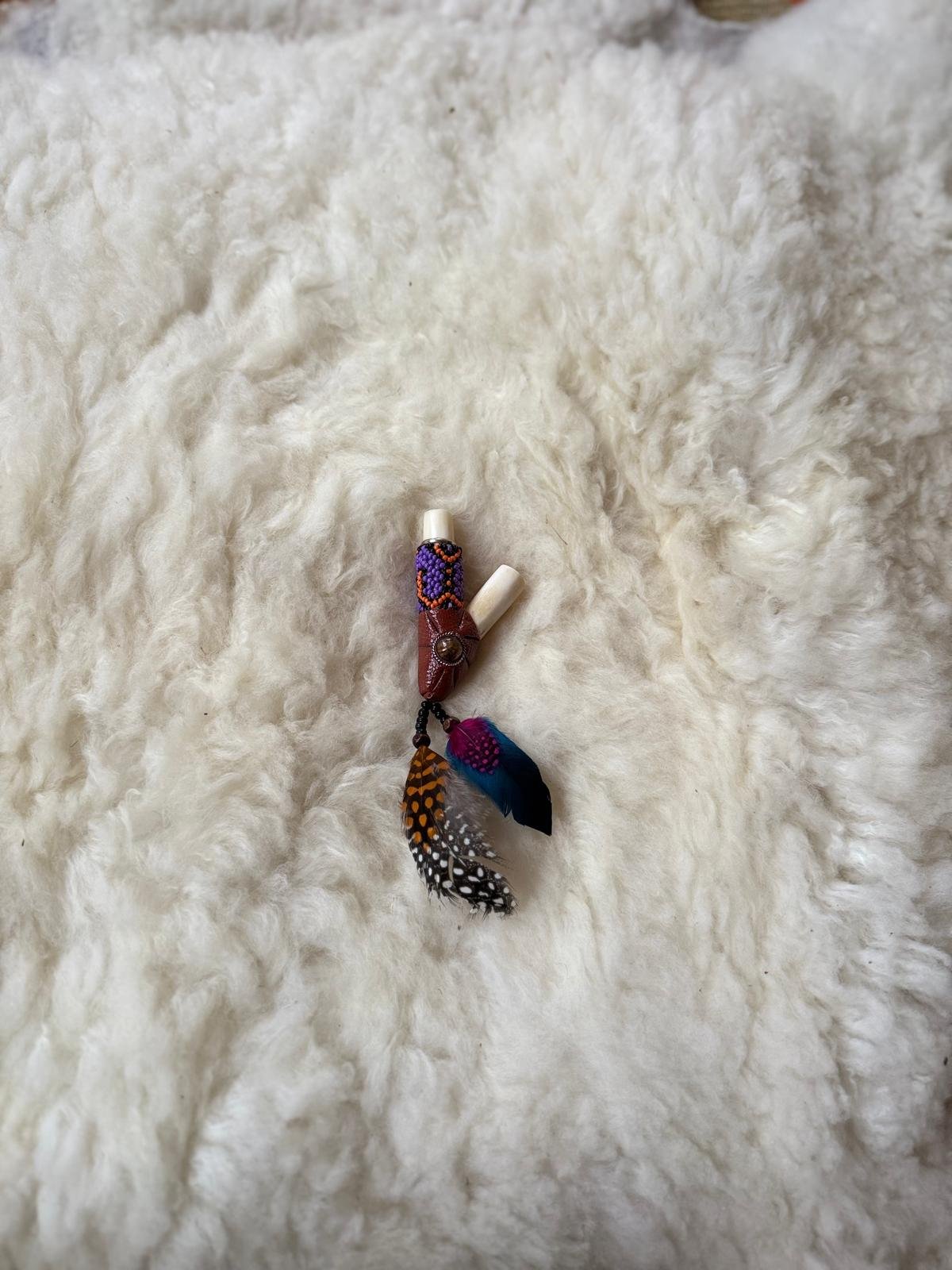
This Kuripe is made from Llama bone, adorned with the shipibo beadwork and contains 2 feathers from jungle bird species.
The llama bone holds a medicine of abundance, the shipibo beadwork calls the force of the shipibo tribe and the feathers represent the world of the bird flight, the lightness, the interaction with the world of the trees and flowers.
Traditionally, kuripes are used as part of a personal ceremonial practice, supporting moments of prayer, stillness, grounding, intention, and clearing.
Not as a trend.
Not as performance.
But as a relationship built over time with the medicine and the space it is worked within.
Each piece is handmade individually, carrying its own variations in grain, carving, colour, and detail.
No two are exactly the same.
Perfect for:
Personal rapéh ceremony
Prayer & meditation practices
Altar spaces
Grounding & intentional ritual work
These tools are sourced in small quantities and chosen carefully through relationship with the families and makers who continue these traditions today.
Traditional Kuripe - Handmade in Peru
A kuripe is a traditional self-applicator used for working with rapéh (rapeh); a sacred medicine traditionally used throughout parts of the Amazon for prayer, grounding, focus, cleansing, and connection.
More than simply an object, the kuripe is a ceremonial tool.
Something used intentionally.
With prayer.
With respect for the traditions and medicines it is connected to.
Each kuripe in our collection is handmade in Peru and sourced through Hugo and his family in Pisac, who have spent many years providing traditional medicines, ceremonial tools, and artisan work to their local community and to those walking this path with sincerity.
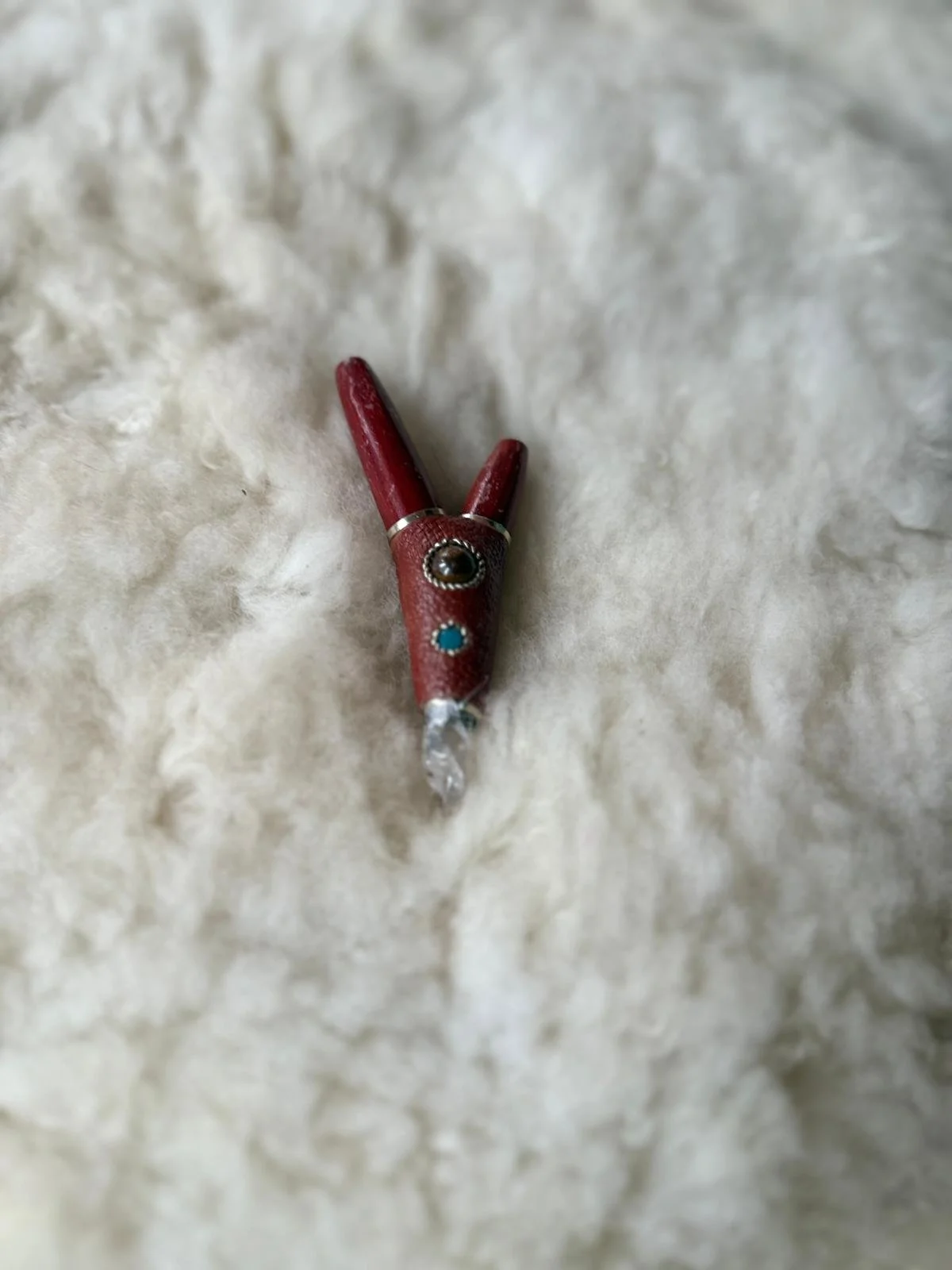
This Kuripe is made from bloodwood (Palo Sangre) and quartz.
The bllodwood is a durable and dense wood.
The quartz is a crystal that can be programmed to suit you.
Traditionally, kuripes are used as part of a personal ceremonial practice, supporting moments of prayer, stillness, grounding, intention, and clearing.
Not as a trend.
Not as performance.
But as a relationship built over time with the medicine and the space it is worked within.
Each piece is handmade individually, carrying its own variations in grain, carving, colour, and detail.
No two are exactly the same.
Perfect for:
Personal rapéh ceremony
Prayer & meditation practices
Altar spaces
Grounding & intentional ritual work
These tools are sourced in small quantities and chosen carefully through relationship with the families and makers who continue these traditions today.
Traditional Kuripe - Handmade in Peru
A kuripe is a traditional self-applicator used for working with rapéh (rapeh); a sacred medicine traditionally used throughout parts of the Amazon for prayer, grounding, focus, cleansing, and connection.
More than simply an object, the kuripe is a ceremonial tool.
Something used intentionally.
With prayer.
With respect for the traditions and medicines it is connected to.
Each kuripe in our collection is handmade in Peru and sourced through Hugo and his family in Pisac, who have spent many years providing traditional medicines, ceremonial tools, and artisan work to their local community and to those walking this path with sincerity.
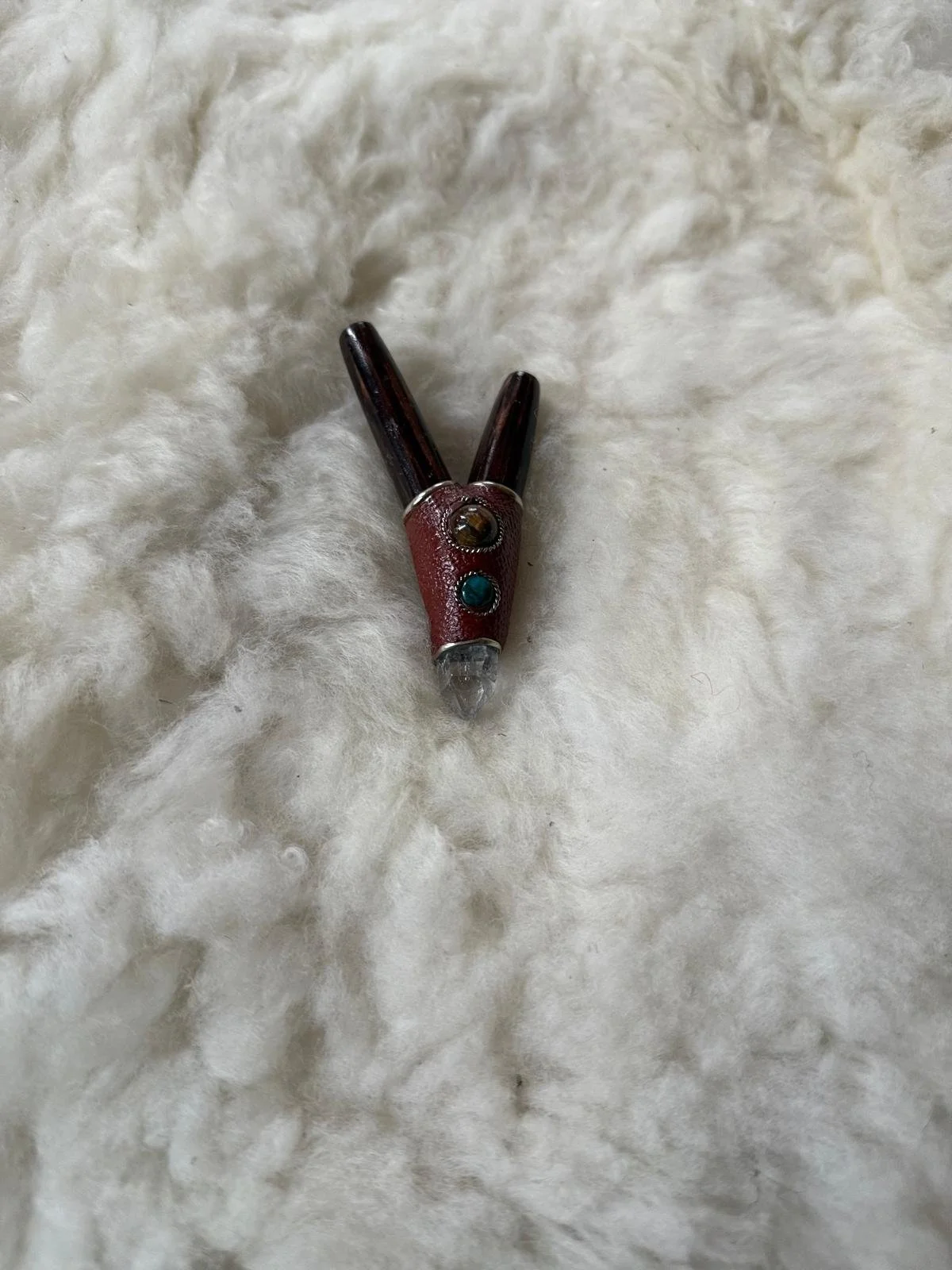
This Kuripe is made from chonta and quartz.
The chonta is a durable and protective wood.
The quartz is a crystal that can be programmed to suit you.
Traditionally, kuripes are used as part of a personal ceremonial practice, supporting moments of prayer, stillness, grounding, intention, and clearing.
Not as a trend.
Not as performance.
But as a relationship built over time with the medicine and the space it is worked within.
Each piece is handmade individually, carrying its own variations in grain, carving, colour, and detail.
No two are exactly the same.
Perfect for:
Personal rapéh ceremony
Prayer & meditation practices
Altar spaces
Grounding & intentional ritual work
These tools are sourced in small quantities and chosen carefully through relationship with the families and makers who continue these traditions today.
Traditional Kuripe - Handmade in Peru
A kuripe is a traditional self-applicator used for working with rapéh (rapeh); a sacred medicine traditionally used throughout parts of the Amazon for prayer, grounding, focus, cleansing, and connection.
More than simply an object, the kuripe is a ceremonial tool.
Something used intentionally.
With prayer.
With respect for the traditions and medicines it is connected to.
Each kuripe in our collection is handmade in Peru and sourced through Hugo and his family in Pisac, who have spent many years providing traditional medicines, ceremonial tools, and artisan work to their local community and to those walking this path with sincerity.
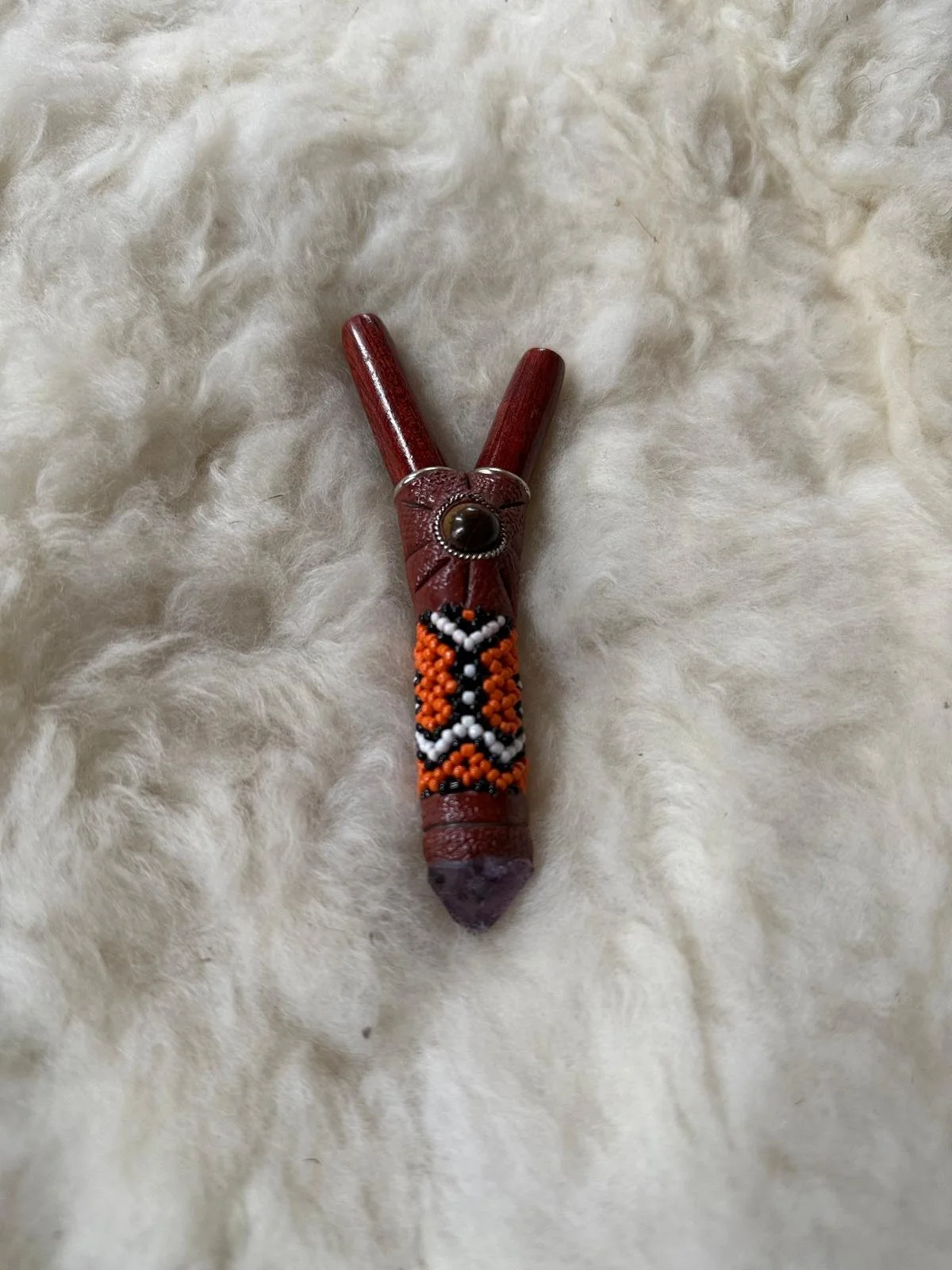
This Kuripe is made from Blood Wood (Palo Sangre) and Amethyst whilst being adorned with the shipibo beadwork.
Blood wood is a dense and durable wood, also carrying the deep colours of the blood of the tree… amethyst is the stone for peace.
This piece features beadwork from the shipibo tribe of peru… a deep and “rooty” medicine.
Traditionally, kuripes are used as part of a personal ceremonial practice, supporting moments of prayer, stillness, grounding, intention, and clearing.
Not as a trend.
Not as performance.
But as a relationship built over time with the medicine and the space it is worked within.
Each piece is handmade individually, carrying its own variations in grain, carving, colour, and detail.
No two are exactly the same.
Perfect for:
Personal rapéh ceremony
Prayer & meditation practices
Altar spaces
Grounding & intentional ritual work
These tools are sourced in small quantities and chosen carefully through relationship with the families and makers who continue these traditions today.
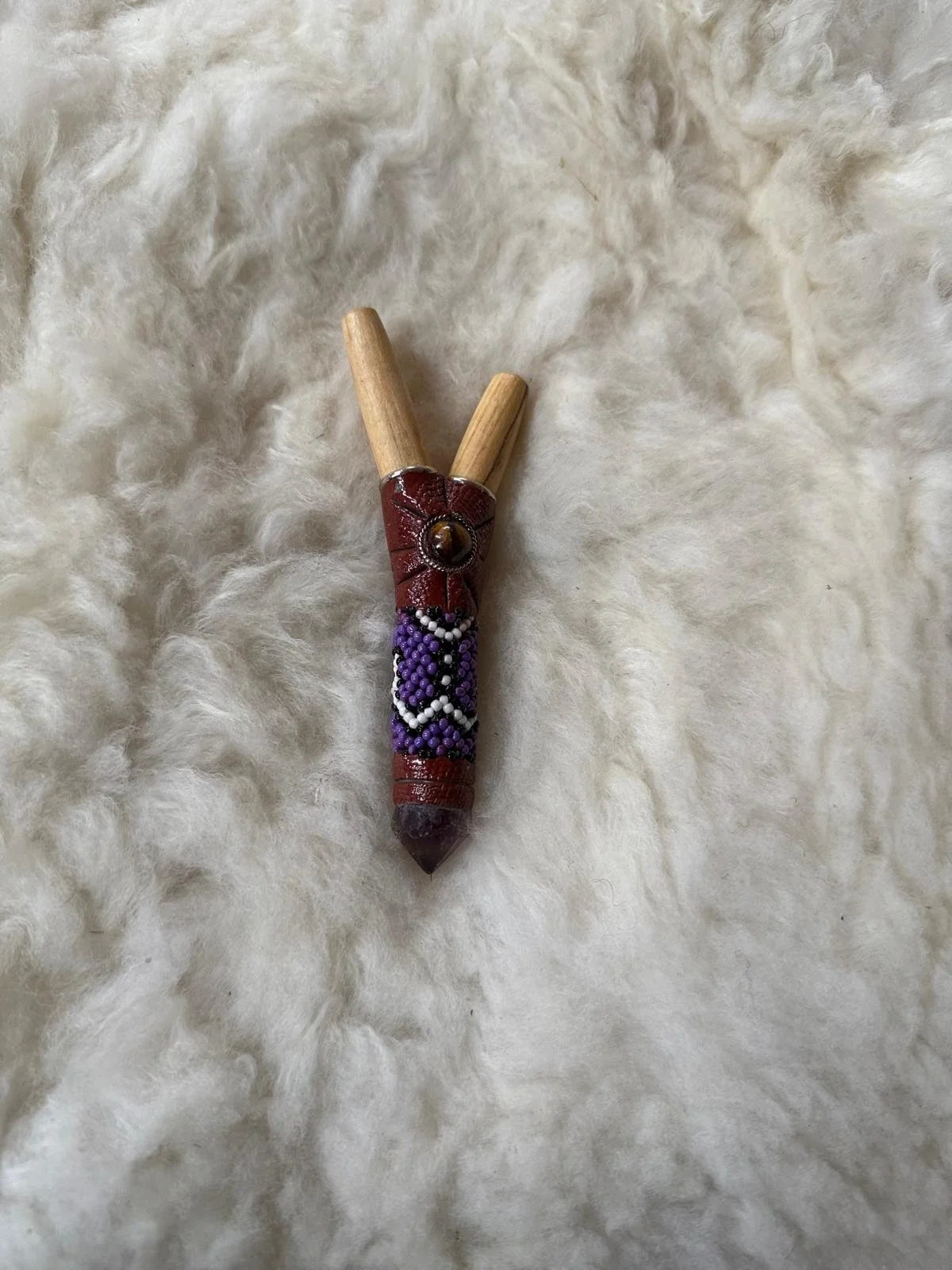
Traditional Kuripe - Handmade in Peru
A kuripe is a traditional self-applicator used for working with rapéh (rapeh); a sacred medicine traditionally used throughout parts of the Amazon for prayer, grounding, focus, cleansing, and connection.
More than simply an object, the kuripe is a ceremonial tool.
Something used intentionally.
With prayer.
With respect for the traditions and medicines it is connected to.
Each kuripe in our collection is handmade in Peru and sourced through Hugo and his family in Pisac, who have spent many years providing traditional medicines, ceremonial tools, and artisan work to their local community and to those walking this path with sincerity.
This Kuripe is made from Palo Santo and Amethyst whilst being adorned with the shipibo beadwork.
Palo santo is a sweet medicine of abundance… amethyst is the stone for peace.
This piece features beadwork from the shipibo tribe of peru… a deep and “rooty” medicine.
Traditionally, kuripes are used as part of a personal ceremonial practice, supporting moments of prayer, stillness, grounding, intention, and clearing.
Not as a trend.
Not as performance.
But as a relationship built over time with the medicine and the space it is worked within.
Each piece is handmade individually, carrying its own variations in grain, carving, colour, and detail.
No two are exactly the same.
Perfect for:
Personal rapéh ceremony
Prayer & meditation practices
Altar spaces
Grounding & intentional ritual work
These tools are sourced in small quantities and chosen carefully through relationship with the families and makers who continue these traditions today.
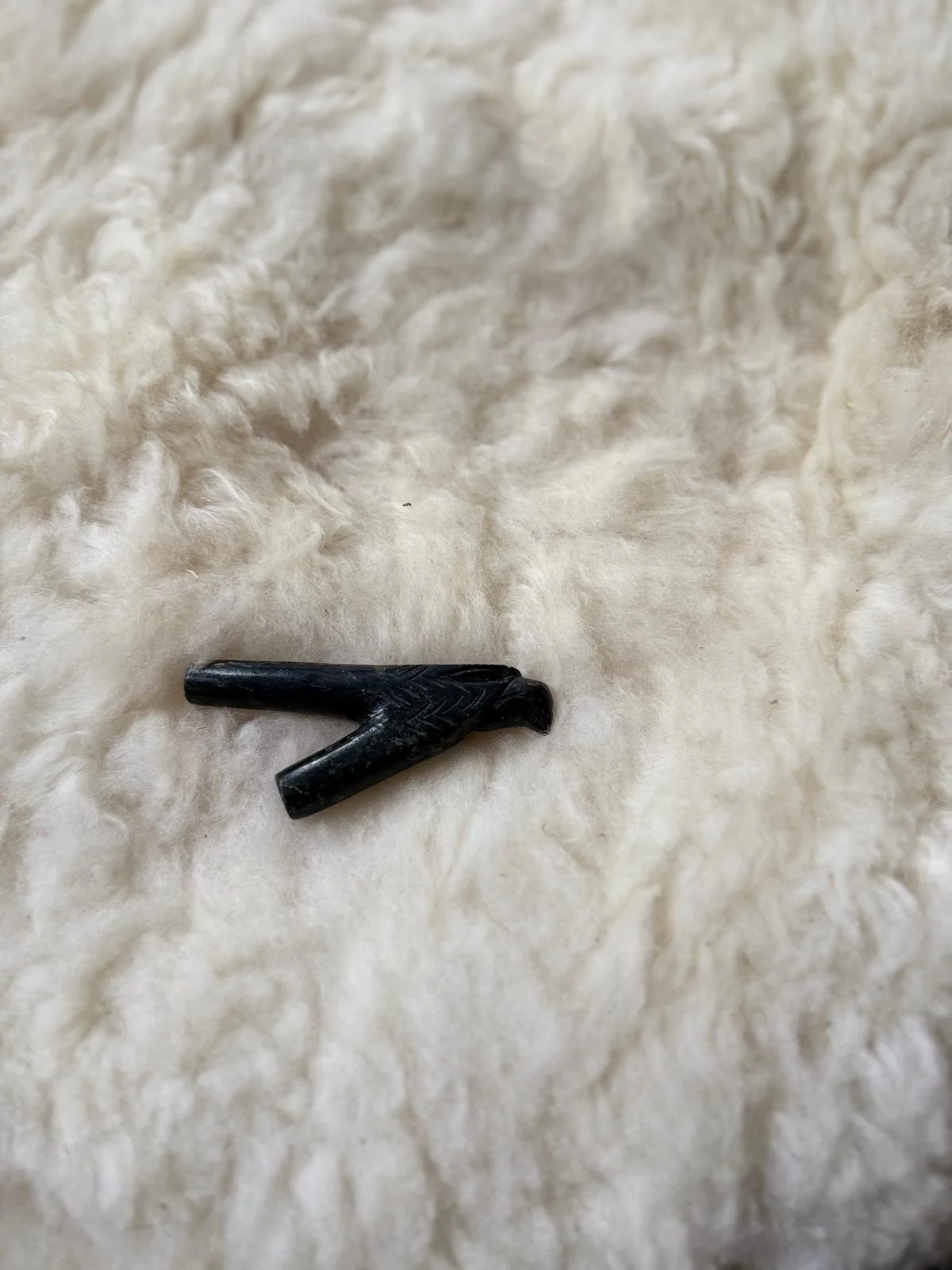
Traditional Kuripe - Handmade in Peru
A kuripe is a traditional self-applicator used for working with rapéh (rapeh); a sacred medicine traditionally used throughout parts of the Amazon for prayer, grounding, focus, cleansing, and connection.
More than simply an object, the kuripe is a ceremonial tool.
Something used intentionally.
With prayer.
With respect for the traditions and medicines it is connected to.
Each kuripe in our collection is handmade in Peru and sourced through Hugo and his family in Pisac, who have spent many years providing traditional medicines, ceremonial tools, and artisan work to their local community and to those walking this path with sincerity.
This Kuripe is made from Serpentine which has been sourced in the proximity of Cuzco, Peru.
The serpentine around Cuzco is black in colour whereas that of the North is more green.
This serpentine carving represents the eagle, the animal of vision and perspective.
Traditionally, kuripes are used as part of a personal ceremonial practice, supporting moments of prayer, stillness, grounding, intention, and clearing.
Not as a trend.
Not as performance.
But as a relationship built over time with the medicine and the space it is worked within.
Each piece is handmade individually, carrying its own variations in grain, carving, colour, and detail.
No two are exactly the same.
Perfect for:
Personal rapéh ceremony
Prayer & meditation practices
Altar spaces
Grounding & intentional ritual work
These tools are sourced in small quantities and chosen carefully through relationship with the families and makers who continue these traditions today.
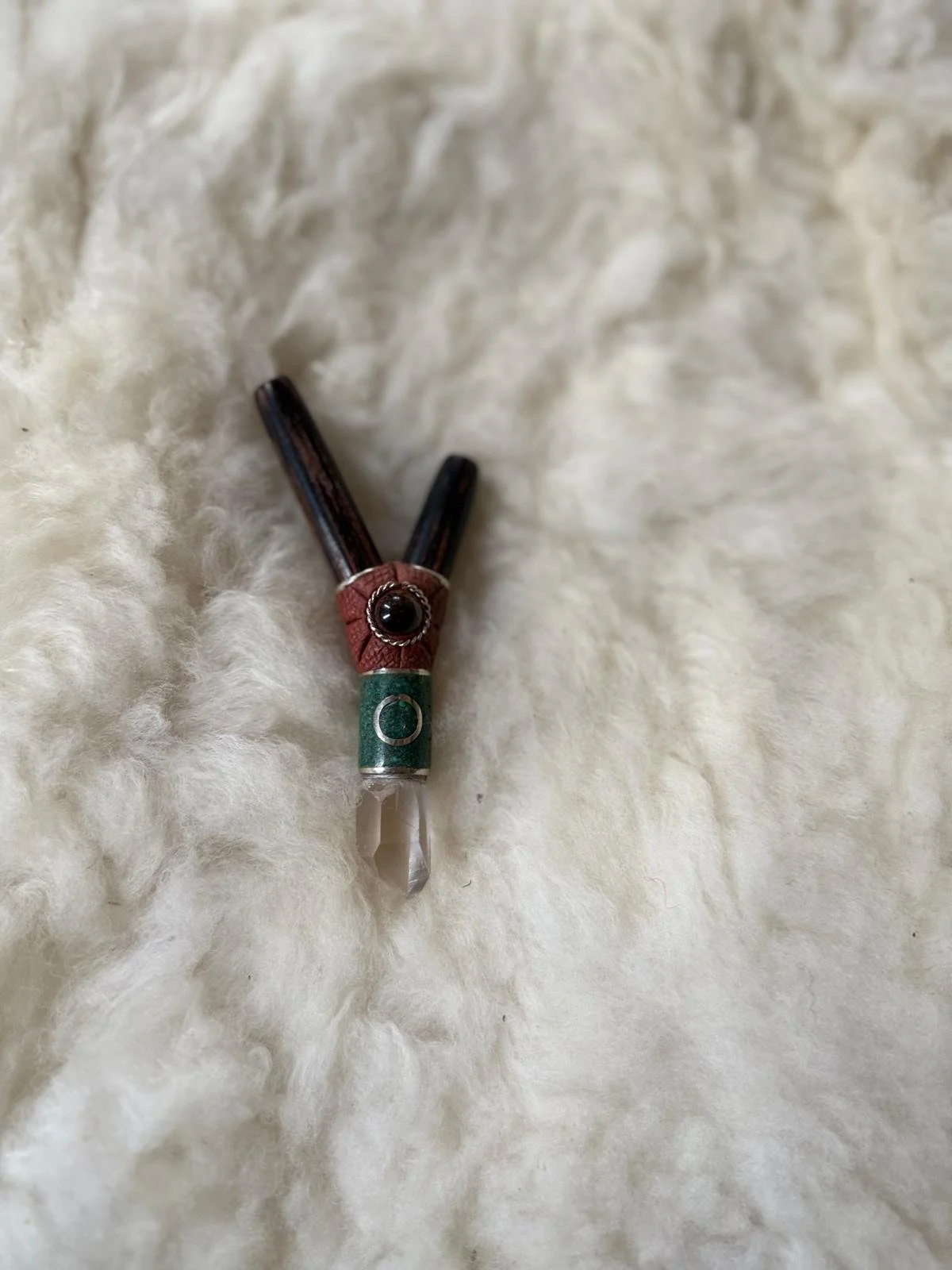
Traditional Kuripe - Handmade in Peru
A kuripe is a traditional self-applicator used for working with rapéh (rapeh); a sacred medicine traditionally used throughout parts of the Amazon for prayer, grounding, focus, cleansing, and connection.
More than simply an object, the kuripe is a ceremonial tool.
Something used intentionally.
With prayer.
With respect for the traditions and medicines it is connected to.
Each kuripe in our collection is handmade in Peru and sourced through Hugo and his family in Pisac, who have spent many years providing traditional medicines, ceremonial tools, and artisan work to their local community and to those walking this path with sincerity.
This Kuripe is made from chonta and quartz.
The chonta is a durable and protective wood.
The quartz is a crystal that can be programmed to suit you.
Traditionally, kuripes are used as part of a personal ceremonial practice, supporting moments of prayer, stillness, grounding, intention, and clearing.
Not as a trend.
Not as performance.
But as a relationship built over time with the medicine and the space it is worked within.
Each piece is handmade individually, carrying its own variations in grain, carving, colour, and detail.
No two are exactly the same.
Perfect for:
Personal rapéh ceremony
Prayer & meditation practices
Altar spaces
Grounding & intentional ritual work
These tools are sourced in small quantities and chosen carefully through relationship with the families and makers who continue these traditions today.
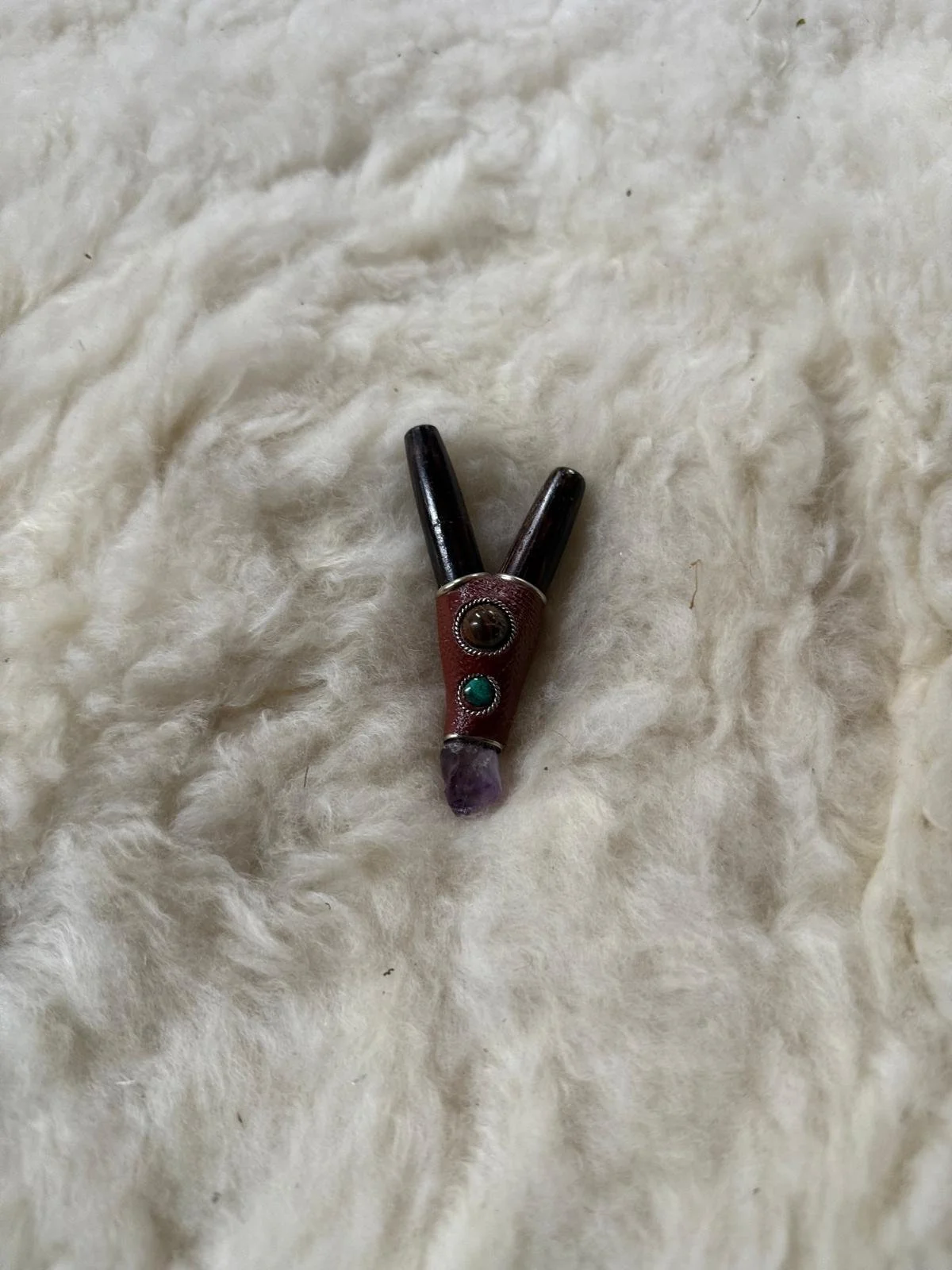
Traditional Kuripe - Handmade in Peru
A kuripe is a traditional self-applicator used for working with rapéh (rapeh); a sacred medicine traditionally used throughout parts of the Amazon for prayer, grounding, focus, cleansing, and connection.
More than simply an object, the kuripe is a ceremonial tool.
Something used intentionally.
With prayer.
With respect for the traditions and medicines it is connected to.
Each kuripe in our collection is handmade in Peru and sourced through Hugo and his family in Pisac, who have spent many years providing traditional medicines, ceremonial tools, and artisan work to their local community and to those walking this path with sincerity.
This Kuripe is made from Chonta and Amethyst.
Chonta is durable and a very protective wood.
Amethyst is a crystal of peace.
Traditionally, kuripes are used as part of a personal ceremonial practice, supporting moments of prayer, stillness, grounding, intention, and clearing.
Not as a trend.
Not as performance.
But as a relationship built over time with the medicine and the space it is worked within.
Each piece is handmade individually, carrying its own variations in grain, carving, colour, and detail.
No two are exactly the same.
Perfect for:
Personal rapéh ceremony
Prayer & meditation practices
Altar spaces
Grounding & intentional ritual work
These tools are sourced in small quantities and chosen carefully through relationship with the families and makers who continue these traditions today.
Traditional Kuripe - Handmade in Peru
A kuripe is a traditional self-applicator used for working with rapéh (rapeh); a sacred medicine traditionally used throughout parts of the Amazon for prayer, grounding, focus, cleansing, and connection.
More than simply an object, the kuripe is a ceremonial tool.
Something used intentionally.
With prayer.
With respect for the traditions and medicines it is connected to.
Each kuripe in our collection is handmade in Peru and sourced through Hugo and his family in Pisac, who have spent many years providing traditional medicines, ceremonial tools, and artisan work to their local community and to those walking this path with sincerity.
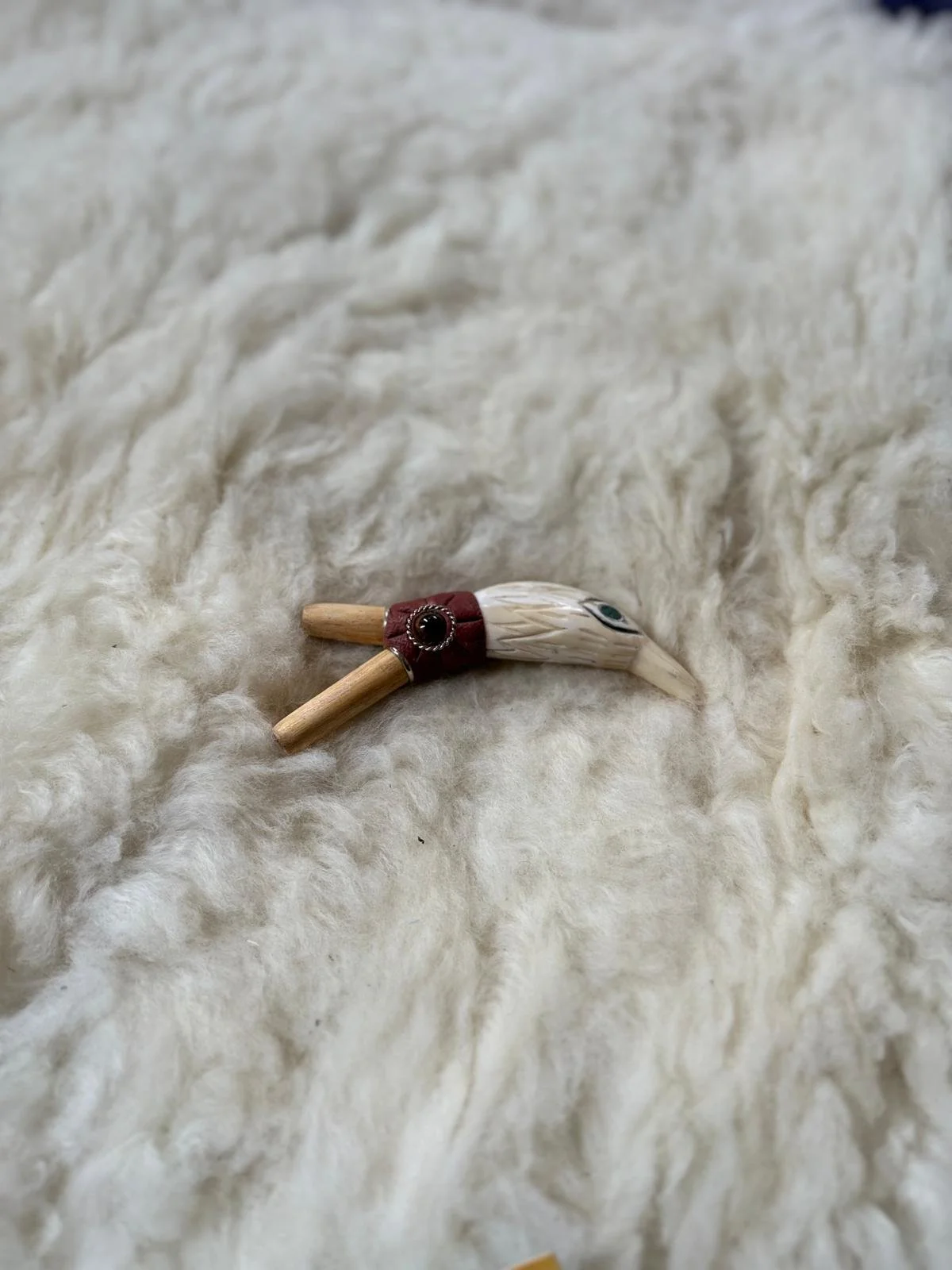
This Kuripe is made from palo santo and the sea lion tooth whilst carved to represent the head of the eagle.
Palo santo has a sweet medicine and holds great abundance… this palo santo is sustinably sourced.
The sea lion tooth is rare to come across and hold the medicine of agility as well as play.
The eagle is the animal of vision and perspective.
Traditionally, kuripes are used as part of a personal ceremonial practice, supporting moments of prayer, stillness, grounding, intention, and clearing.
Not as a trend.
Not as performance.
But as a relationship built over time with the medicine and the space it is worked within.
Each piece is handmade individually, carrying its own variations in grain, carving, colour, and detail.
No two are exactly the same.
Perfect for:
Personal rapéh ceremony
Prayer & meditation practices
Altar spaces
Grounding & intentional ritual work
These tools are sourced in small quantities and chosen carefully through relationship with the families and makers who continue these traditions today.
Traditional Kuripe - Handmade in Peru
A kuripe is a traditional self-applicator used for working with rapéh (rapeh); a sacred medicine traditionally used throughout parts of the Amazon for prayer, grounding, focus, cleansing, and connection.
More than simply an object, the kuripe is a ceremonial tool.
Something used intentionally.
With prayer.
With respect for the traditions and medicines it is connected to.
Each kuripe in our collection is handmade in Peru and sourced through Hugo and his family in Pisac, who have spent many years providing traditional medicines, ceremonial tools, and artisan work to their local community and to those walking this path with sincerity.
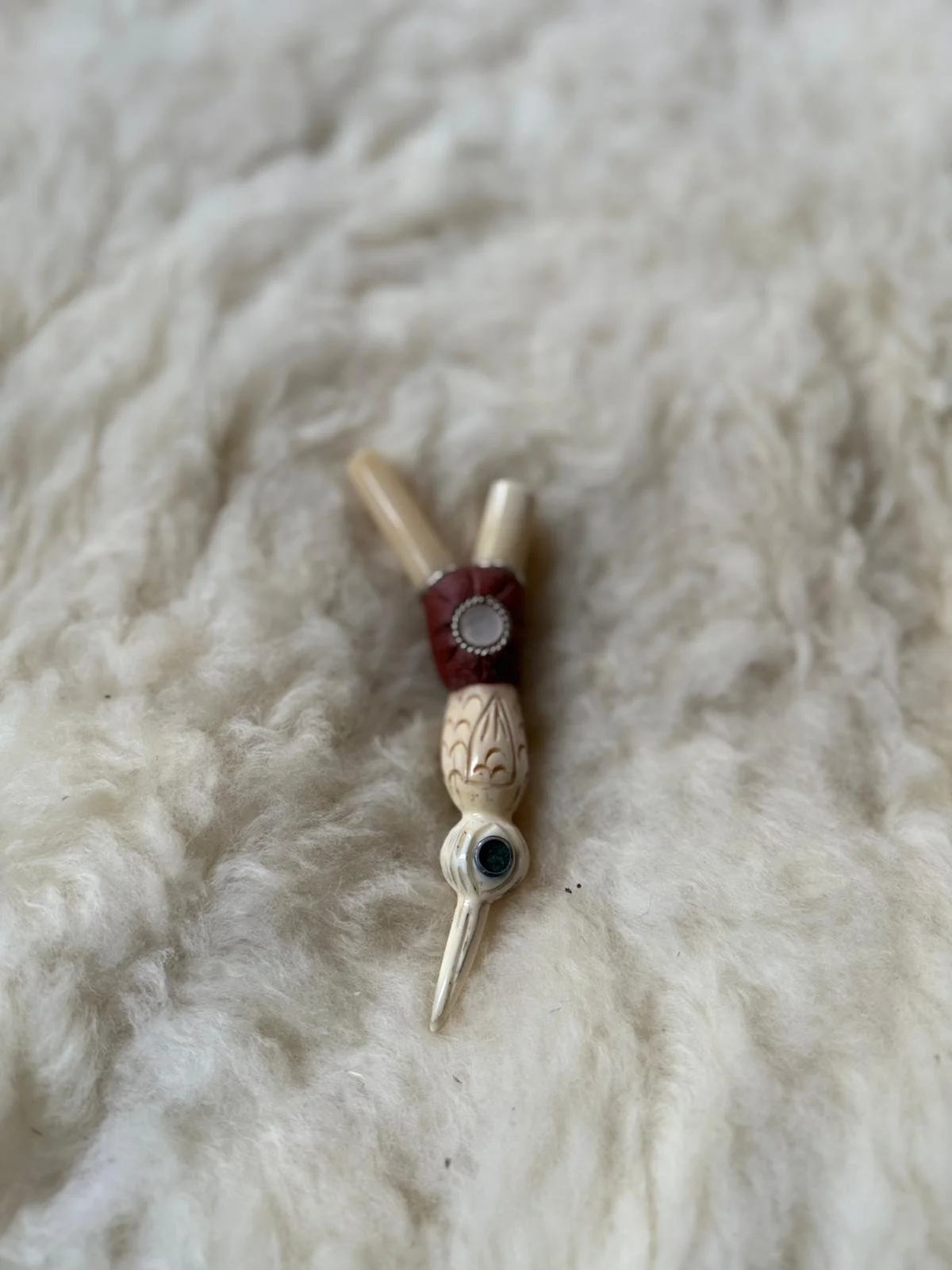
This Kuripe is made from llama bone and sea lion tooth.
The llama holds the medicine of abundance, the sea lion holds the medicine of agility as well as play… remember to be flexible and remember to make the time to play.
This piece is also carved to the shape of the colibri (hummingbird) which is the medicine of the heart.
A piece that is lighter in it’s medicine.
Traditionally, kuripes are used as part of a personal ceremonial practice, supporting moments of prayer, stillness, grounding, intention, and clearing.
Not as a trend.
Not as performance.
But as a relationship built over time with the medicine and the space it is worked within.
Each piece is handmade individually, carrying its own variations in grain, carving, colour, and detail.
No two are exactly the same.
Perfect for:
Personal rapéh ceremony
Prayer & meditation practices
Altar spaces
Grounding & intentional ritual work
These tools are sourced in small quantities and chosen carefully through relationship with the families and makers who continue these traditions today.
Traditional Kuripe - Handmade in Peru
A kuripe is a traditional self-applicator used for working with rapéh (rapeh); a sacred medicine traditionally used throughout parts of the Amazon for prayer, grounding, focus, cleansing, and connection.
More than simply an object, the kuripe is a ceremonial tool.
Something used intentionally.
With prayer.
With respect for the traditions and medicines it is connected to.
Each kuripe in our collection is handmade in Peru and sourced through Hugo and his family in Pisac, who have spent many years providing traditional medicines, ceremonial tools, and artisan work to their local community and to those walking this path with sincerity.
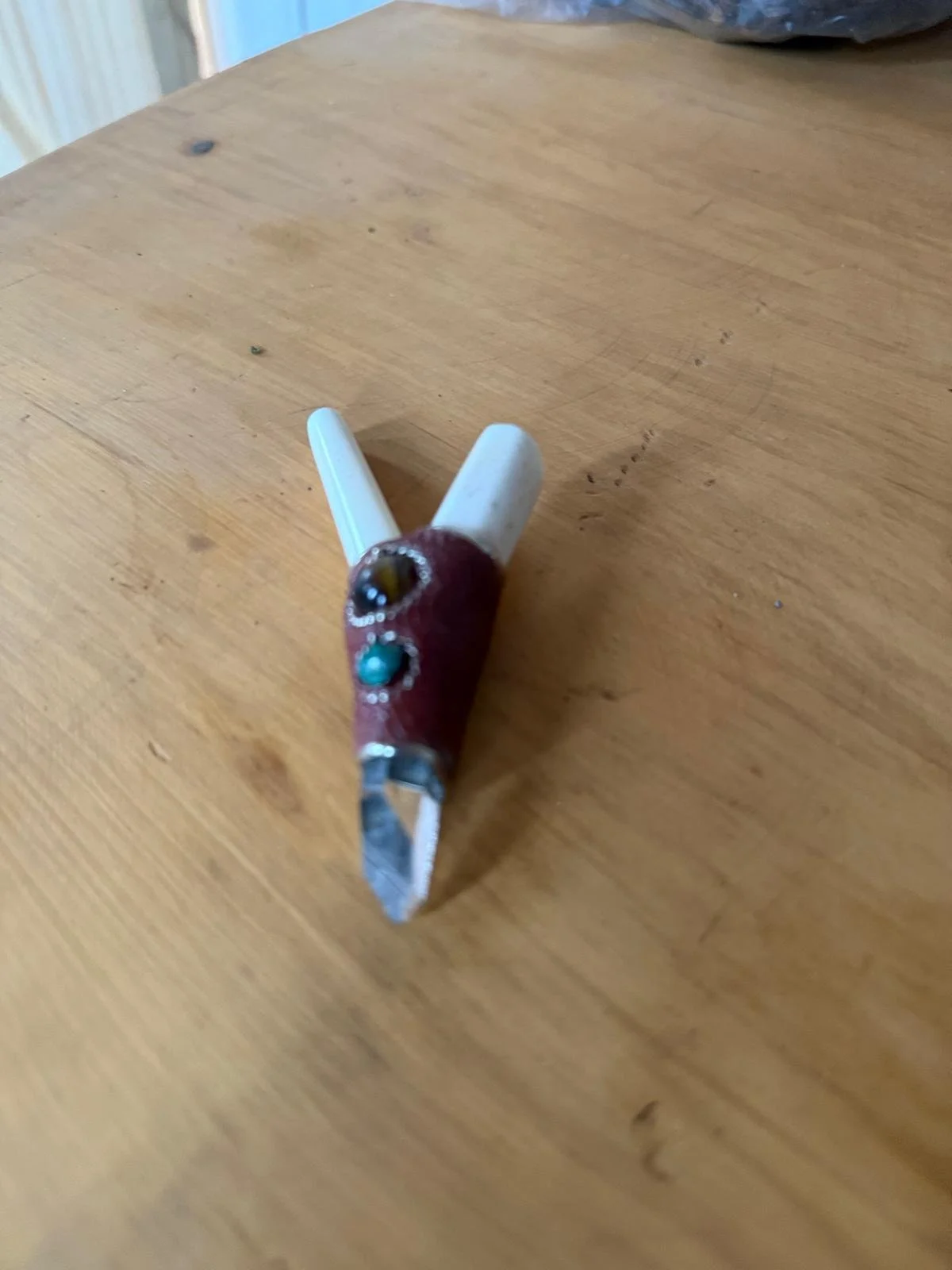
This Kuripe is made from Llama bone and clear quartz.
The Llama holds the medicine of abundance and the clear quartz is a crystal that can be programmed.
Traditionally, kuripes are used as part of a personal ceremonial practice, supporting moments of prayer, stillness, grounding, intention, and clearing.
Not as a trend.
Not as performance.
But as a relationship built over time with the medicine and the space it is worked within.
Each piece is handmade individually, carrying its own variations in grain, carving, colour, and detail.
No two are exactly the same.
Perfect for:
Personal rapéh ceremony
Prayer & meditation practices
Altar spaces
Grounding & intentional ritual work
These tools are sourced in small quantities and chosen carefully through relationship with the families and makers who continue these traditions today.
Traditional Kuripe - Handmade in Peru
A kuripe is a traditional self-applicator used for working with rapéh (rapeh); a sacred medicine traditionally used throughout parts of the Amazon for prayer, grounding, focus, cleansing, and connection.
More than simply an object, the kuripe is a ceremonial tool.
Something used intentionally.
With prayer.
With respect for the traditions and medicines it is connected to.
Each kuripe in our collection is handmade in Peru and sourced through Hugo and his family in Pisac, who have spent many years providing traditional medicines, ceremonial tools, and artisan work to their local community and to those walking this path with sincerity.
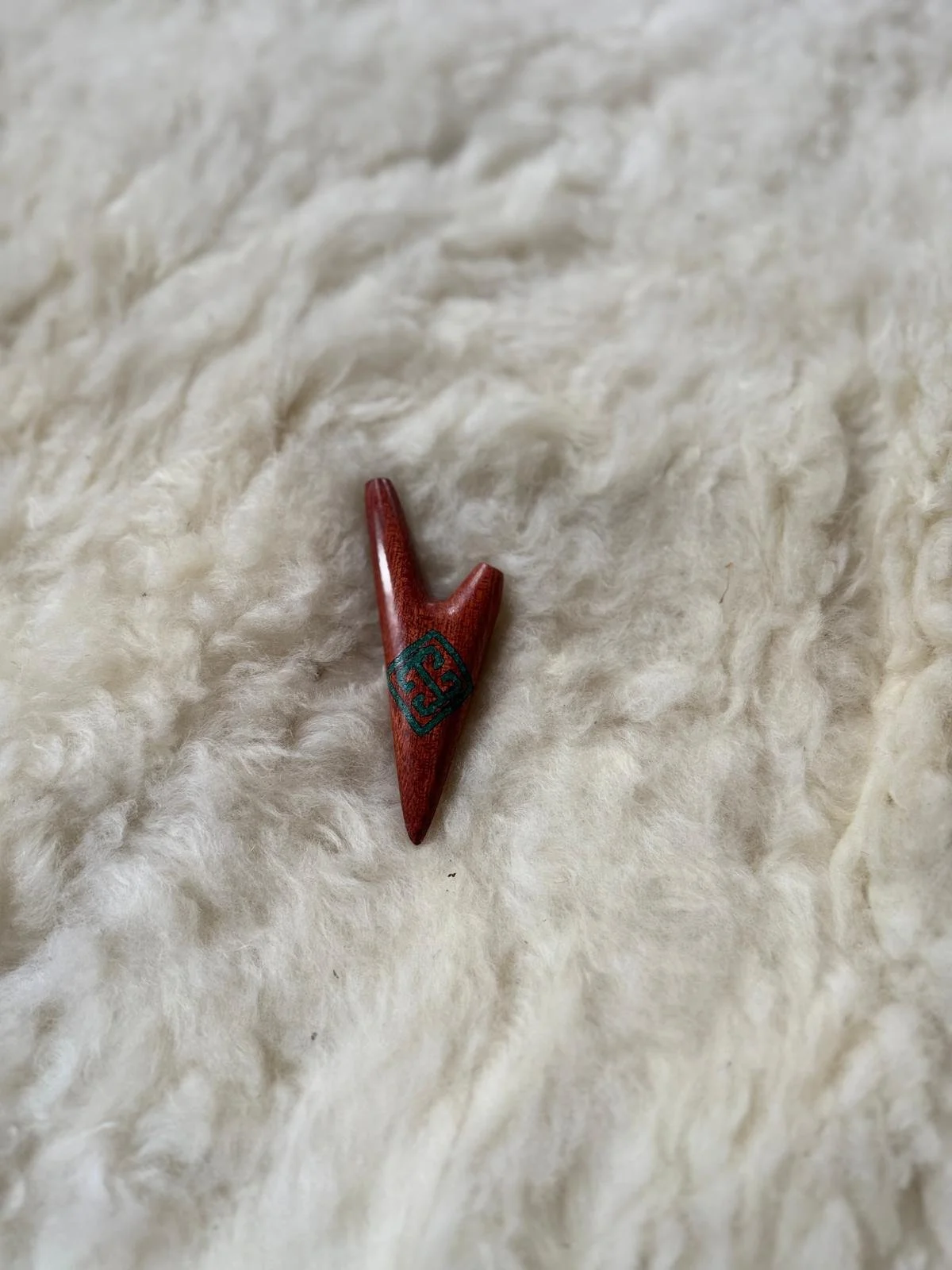
This Kuripe is made from Bloodwood (Palo Sangre) and is made from a single piece of wood.
Most kuripes are made from 2 separate pieces and are mounted together.
A single piece creates more force and a smoother delivery of rapeh.
This specific piece is inlayed with the huni kuin symbol, calling in the force of the tribe.
Traditionally, kuripes are used as part of a personal ceremonial practice, supporting moments of prayer, stillness, grounding, intention, and clearing.
Not as a trend.
Not as performance.
But as a relationship built over time with the medicine and the space it is worked within.
Each piece is handmade individually, carrying its own variations in grain, carving, colour, and detail.
No two are exactly the same.
Perfect for:
Personal rapéh ceremony
Prayer & meditation practices
Altar spaces
Grounding & intentional ritual work
These tools are sourced in small quantities and chosen carefully through relationship with the families and makers who continue these traditions today.
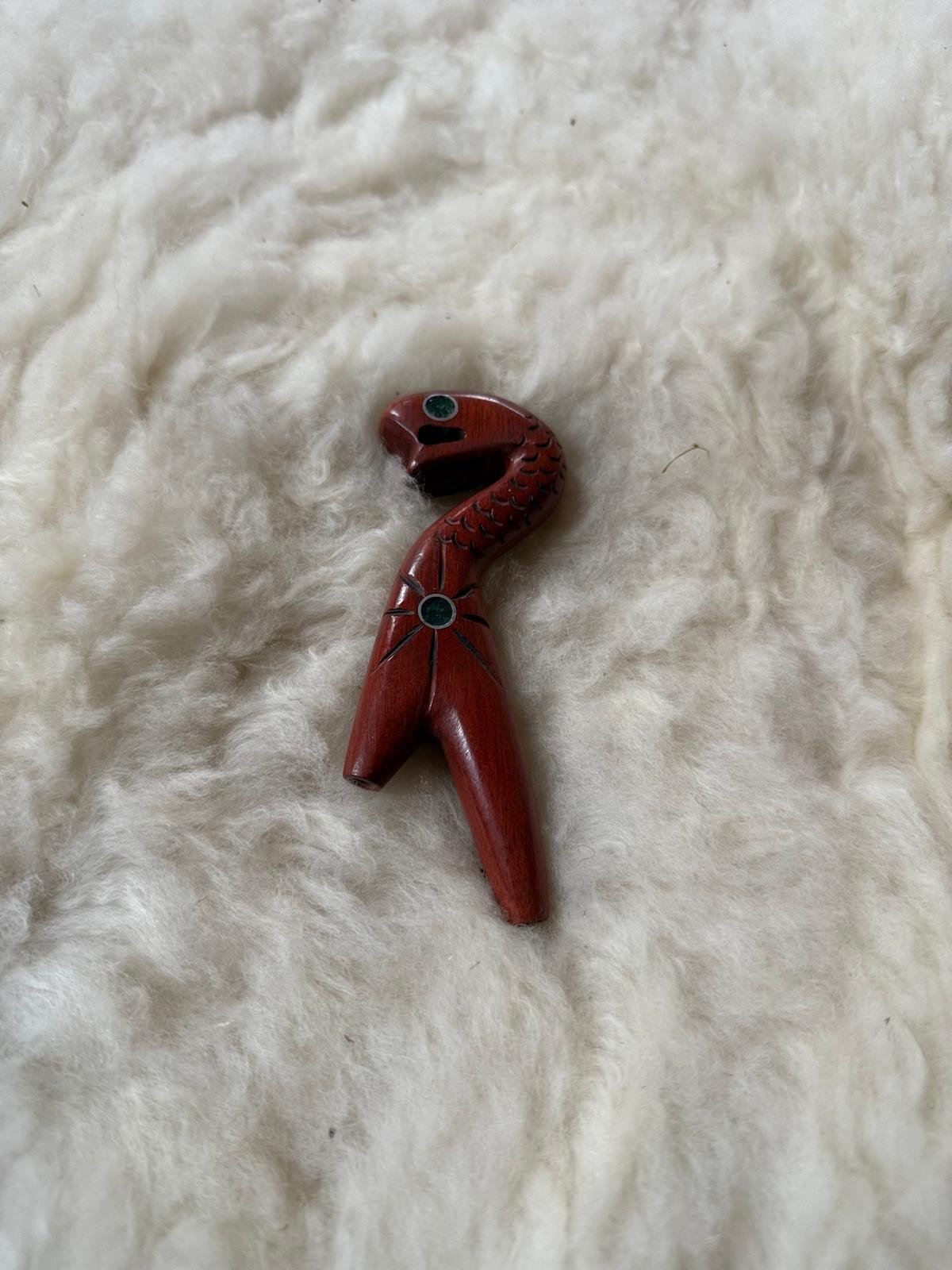
Traditional Kuripe - Handmade in Peru
A kuripe is a traditional self-applicator used for working with rapéh (rapeh); a sacred medicine traditionally used throughout parts of the Amazon for prayer, grounding, focus, cleansing, and connection.
More than simply an object, the kuripe is a ceremonial tool.
Something used intentionally.
With prayer.
With respect for the traditions and medicines it is connected to.
Each kuripe in our collection is handmade in Peru and sourced through Hugo and his family in Pisac, who have spent many years providing traditional medicines, ceremonial tools, and artisan work to their local community and to those walking this path with sincerity.
This Kuripe is made from blood wood (palo sangre) and is carved to represent the snake.
The snake in the andean cosmovision is the animal of the underworld and inner journeys.
Combining this with the medicine of the rapeh from the jungle and these peoples connection with the sukuri (anaconda), this is a tool for inner journey.
Traditionally, kuripes are used as part of a personal ceremonial practice, supporting moments of prayer, stillness, grounding, intention, and clearing.
Not as a trend.
Not as performance.
But as a relationship built over time with the medicine and the space it is worked within.
Each piece is handmade individually, carrying its own variations in grain, carving, colour, and detail.
No two are exactly the same.
Perfect for:
Personal rapéh ceremony
Prayer & meditation practices
Altar spaces
Grounding & intentional ritual work
These tools are sourced in small quantities and chosen carefully through relationship with the families and makers who continue these traditions today.
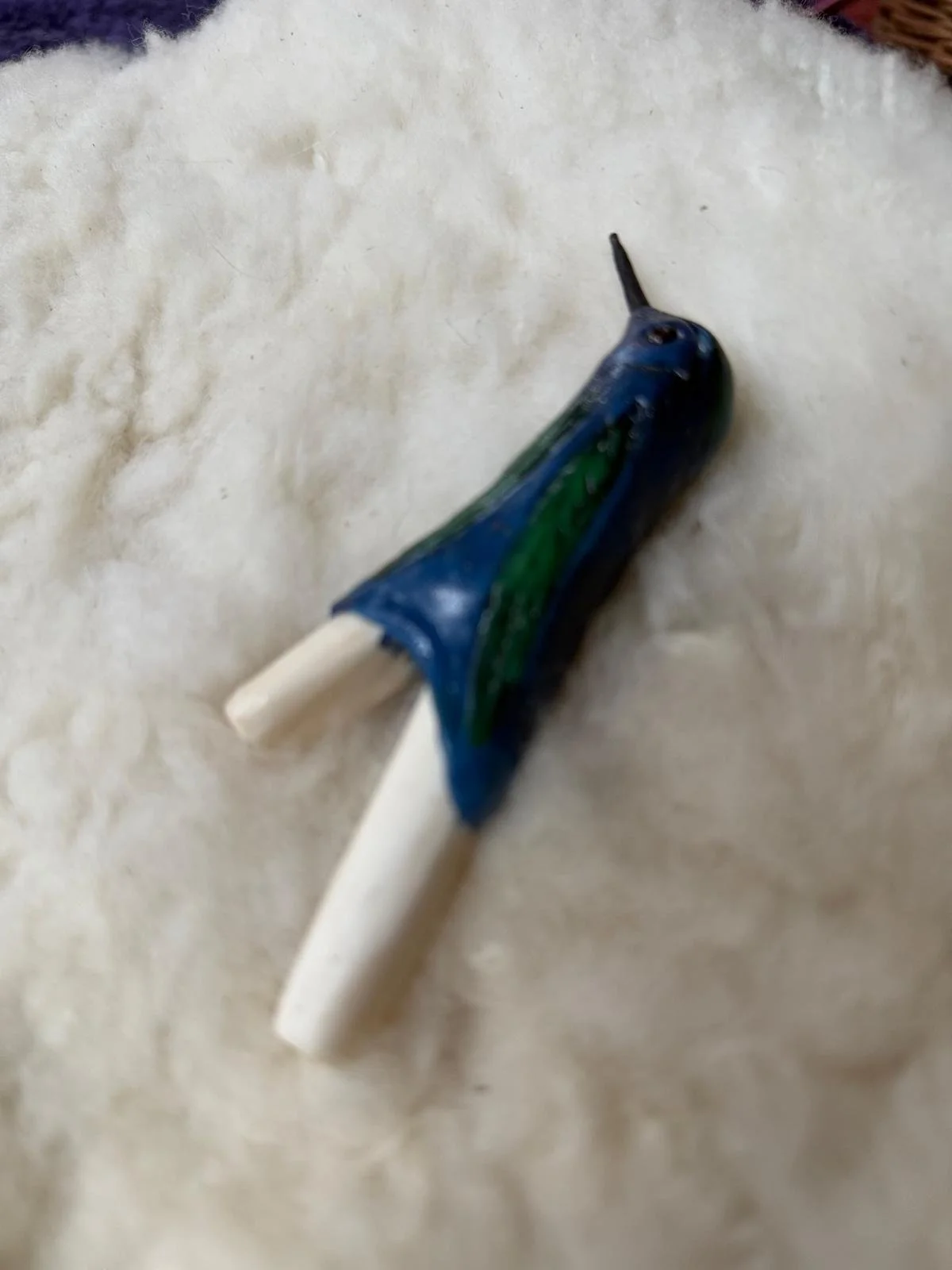
Traditional Kuripe - Handmade in Peru
A kuripe is a traditional self-applicator used for working with rapéh (rapeh); a sacred medicine traditionally used throughout parts of the Amazon for prayer, grounding, focus, cleansing, and connection.
More than simply an object, the kuripe is a ceremonial tool.
Something used intentionally.
With prayer.
With respect for the traditions and medicines it is connected to.
Each kuripe in our collection is handmade in Peru and sourced through Hugo and his family in Pisac, who have spent many years providing traditional medicines, ceremonial tools, and artisan work to their local community and to those walking this path with sincerity.
This Kuripe is made from Llama bone and holds the medicine of the hummingbird (colibri)
The llama is an animal of abudance and the colibri is the medicine of the heart and love.
Traditionally, kuripes are used as part of a personal ceremonial practice, supporting moments of prayer, stillness, grounding, intention, and clearing.
Not as a trend.
Not as performance.
But as a relationship built over time with the medicine and the space it is worked within.
Each piece is handmade individually, carrying its own variations in grain, carving, colour, and detail.
No two are exactly the same.
Perfect for:
Personal rapéh ceremony
Prayer & meditation practices
Altar spaces
Grounding & intentional ritual work
These tools are sourced in small quantities and chosen carefully through relationship with the families and makers who continue these traditions today.
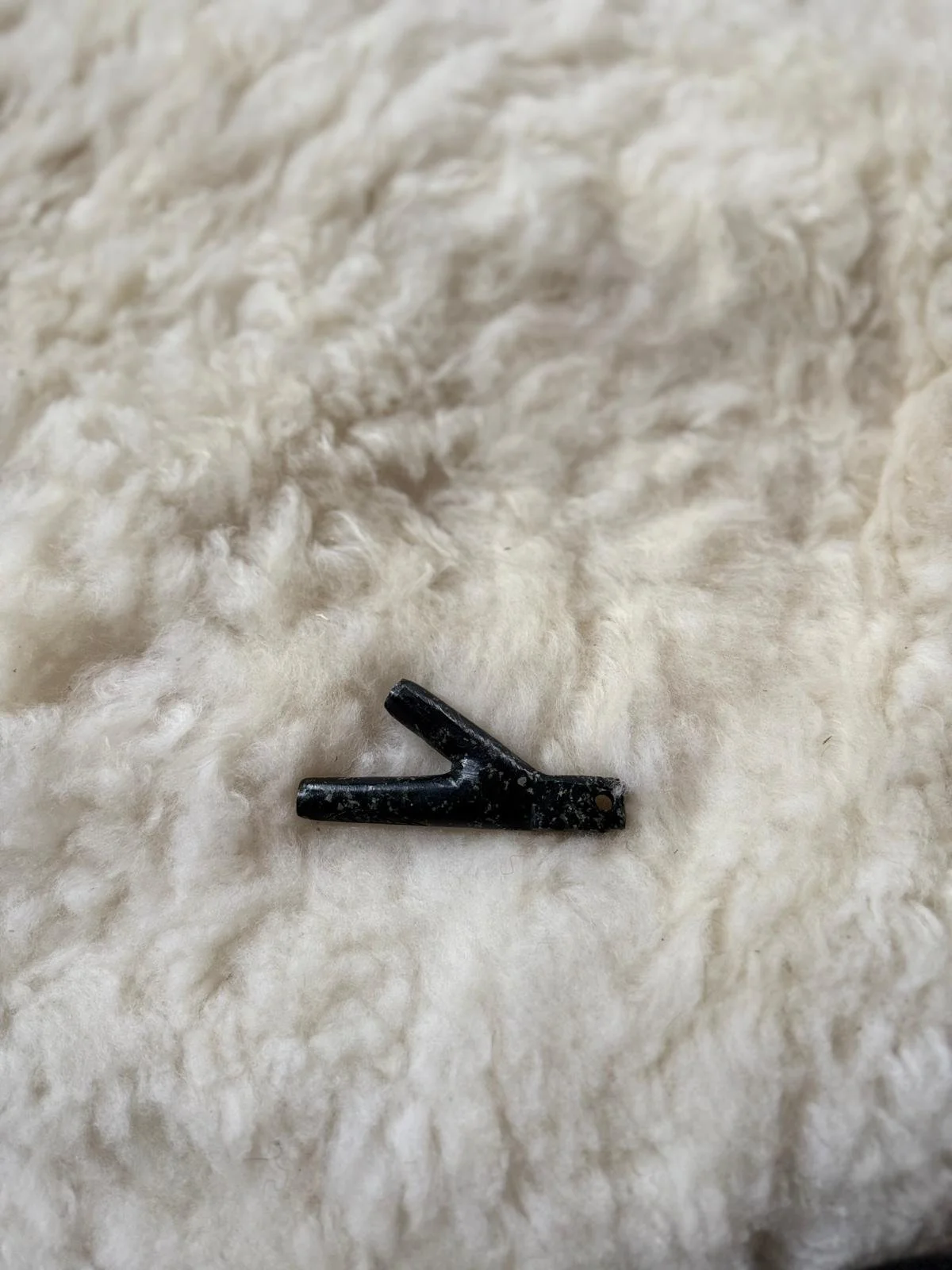
Traditional Kuripe - Handmade in Peru
A kuripe is a traditional self-applicator used for working with rapéh (rapeh); a sacred medicine traditionally used throughout parts of the Amazon for prayer, grounding, focus, cleansing, and connection.
More than simply an object, the kuripe is a ceremonial tool.
Something used intentionally.
With prayer.
With respect for the traditions and medicines it is connected to.
Each kuripe in our collection is handmade in Peru and sourced through Hugo and his family in Pisac, who have spent many years providing traditional medicines, ceremonial tools, and artisan work to their local community and to those walking this path with sincerity.
This Kuripe is made from Serpentine which has been sourced in the proximity of Cuzco, Peru.
The serpentine around Cuzco is black in colour whereas that of the North is more green.
This serpentine carving represents the puma (the animal of the middle world in the Andean cosmovision).
Traditionally, kuripes are used as part of a personal ceremonial practice, supporting moments of prayer, stillness, grounding, intention, and clearing.
Not as a trend.
Not as performance.
But as a relationship built over time with the medicine and the space it is worked within.
Each piece is handmade individually, carrying its own variations in grain, carving, colour, and detail.
No two are exactly the same.
Perfect for:
Personal rapéh ceremony
Prayer & meditation practices
Altar spaces
Grounding & intentional ritual work
These tools are sourced in small quantities and chosen carefully through relationship with the families and makers who continue these traditions today.
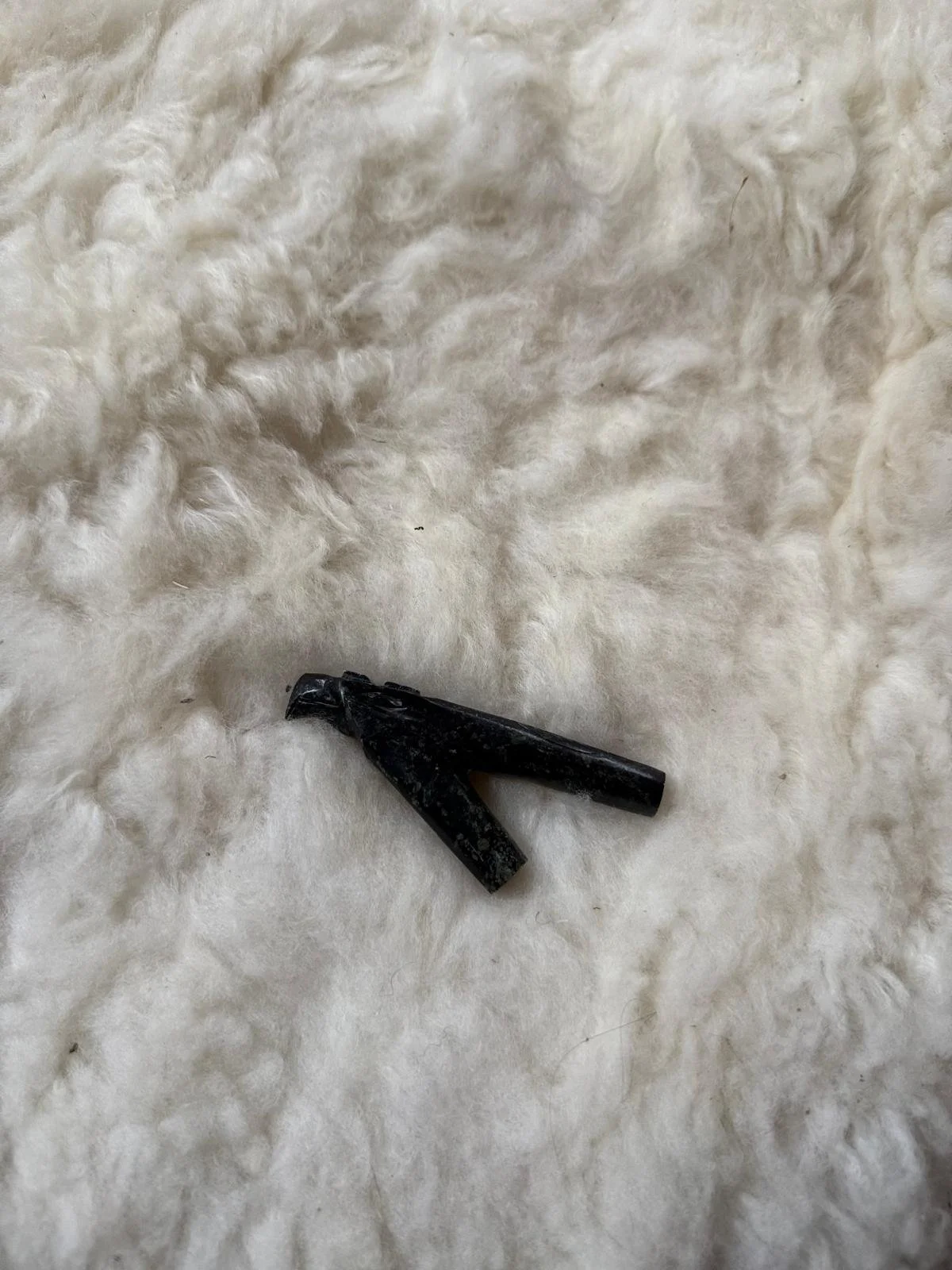
Traditional Kuripe - Handmade in Peru
A kuripe is a traditional self-applicator used for working with rapéh (rapeh); a sacred medicine traditionally used throughout parts of the Amazon for prayer, grounding, focus, cleansing, and connection.
More than simply an object, the kuripe is a ceremonial tool.
Something used intentionally.
With prayer.
With respect for the traditions and medicines it is connected to.
Each kuripe in our collection is handmade in Peru and sourced through Hugo and his family in Pisac, who have spent many years providing traditional medicines, ceremonial tools, and artisan work to their local community and to those walking this path with sincerity.
This Kuripe is made from Serpentine which has been sourced in the proximity of Cuzco, Peru.
The serpentine around Cuzco is black in colour whereas that of the North is more green.
This serpentine carving represents the condor (the animal of the upper spiritual world in the Andean cosmovision).
Traditionally, kuripes are used as part of a personal ceremonial practice, supporting moments of prayer, stillness, grounding, intention, and clearing.
Not as a trend.
Not as performance.
But as a relationship built over time with the medicine and the space it is worked within.
Each piece is handmade individually, carrying its own variations in grain, carving, colour, and detail.
No two are exactly the same.
Perfect for:
Personal rapéh ceremony
Prayer & meditation practices
Altar spaces
Grounding & intentional ritual work
These tools are sourced in small quantities and chosen carefully through relationship with the families and makers who continue these traditions today.
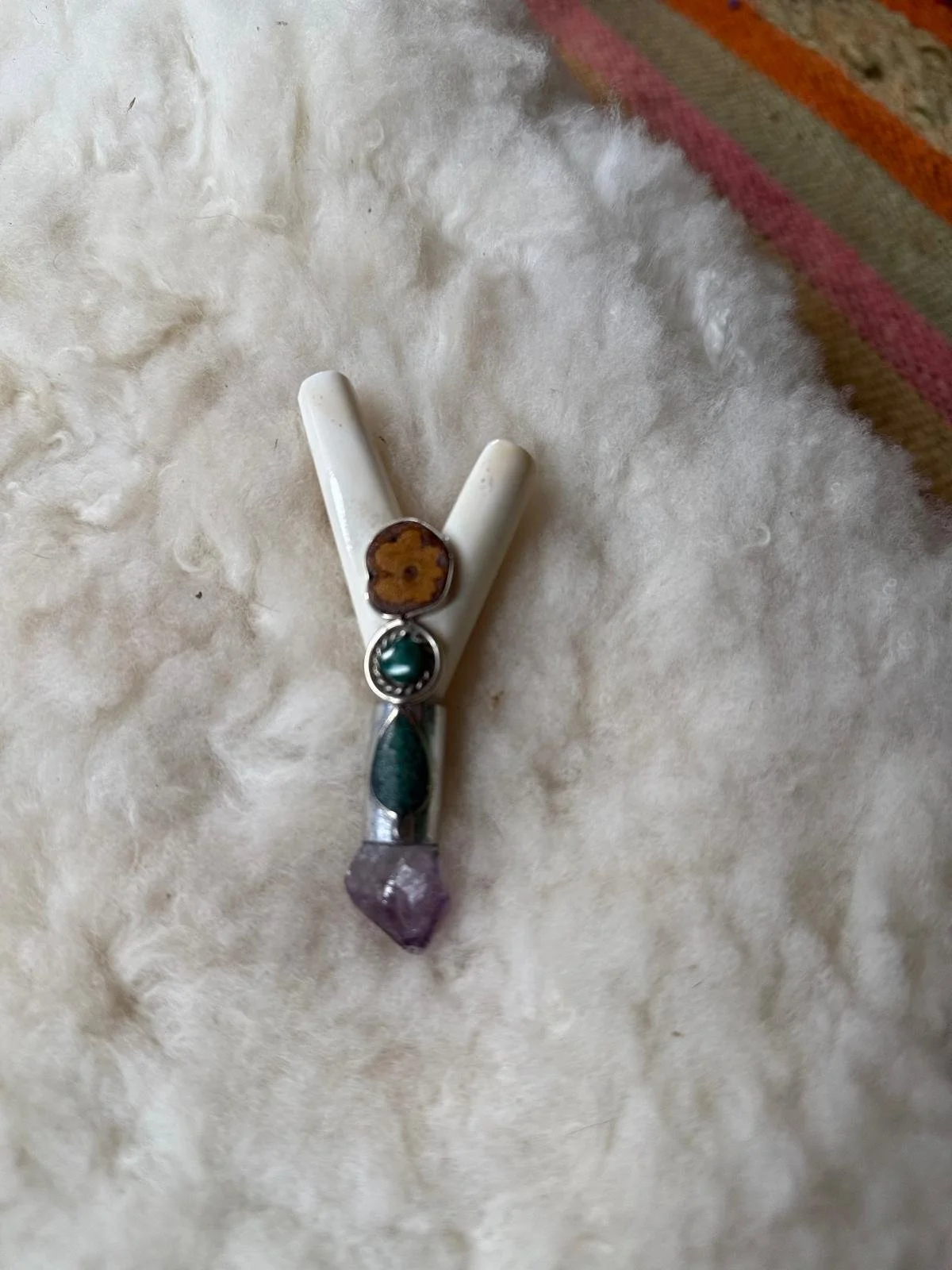
Traditional Kuripe - Handmade in Peru
A kuripe is a traditional self-applicator used for working with rapéh (rapeh); a sacred medicine traditionally used throughout parts of the Amazon for prayer, grounding, focus, cleansing, and connection.
More than simply an object, the kuripe is a ceremonial tool.
Something used intentionally.
With prayer.
With respect for the traditions and medicines it is connected to.
Each kuripe in our collection is handmade in Peru and sourced through Hugo and his family in Pisac, who have spent many years providing traditional medicines, ceremonial tools, and artisan work to their local community and to those walking this path with sincerity.
This Kuripe is made from Llama bone, amethyst crystal and the aya vine.
This kuripe weaving these 3 elements holds big medicine of abundance and calls the force of the jungle.
Traditionally, kuripes are used as part of a personal ceremonial practice, supporting moments of prayer, stillness, grounding, intention, and clearing.
Not as a trend.
Not as performance.
But as a relationship built over time with the medicine and the space it is worked within.
Each piece is handmade individually, carrying its own variations in grain, carving, colour, and detail.
No two are exactly the same.
Perfect for:
Personal rapéh ceremony
Prayer & meditation practices
Altar spaces
Grounding & intentional ritual work
These tools are sourced in small quantities and chosen carefully through relationship with the families and makers who continue these traditions today.
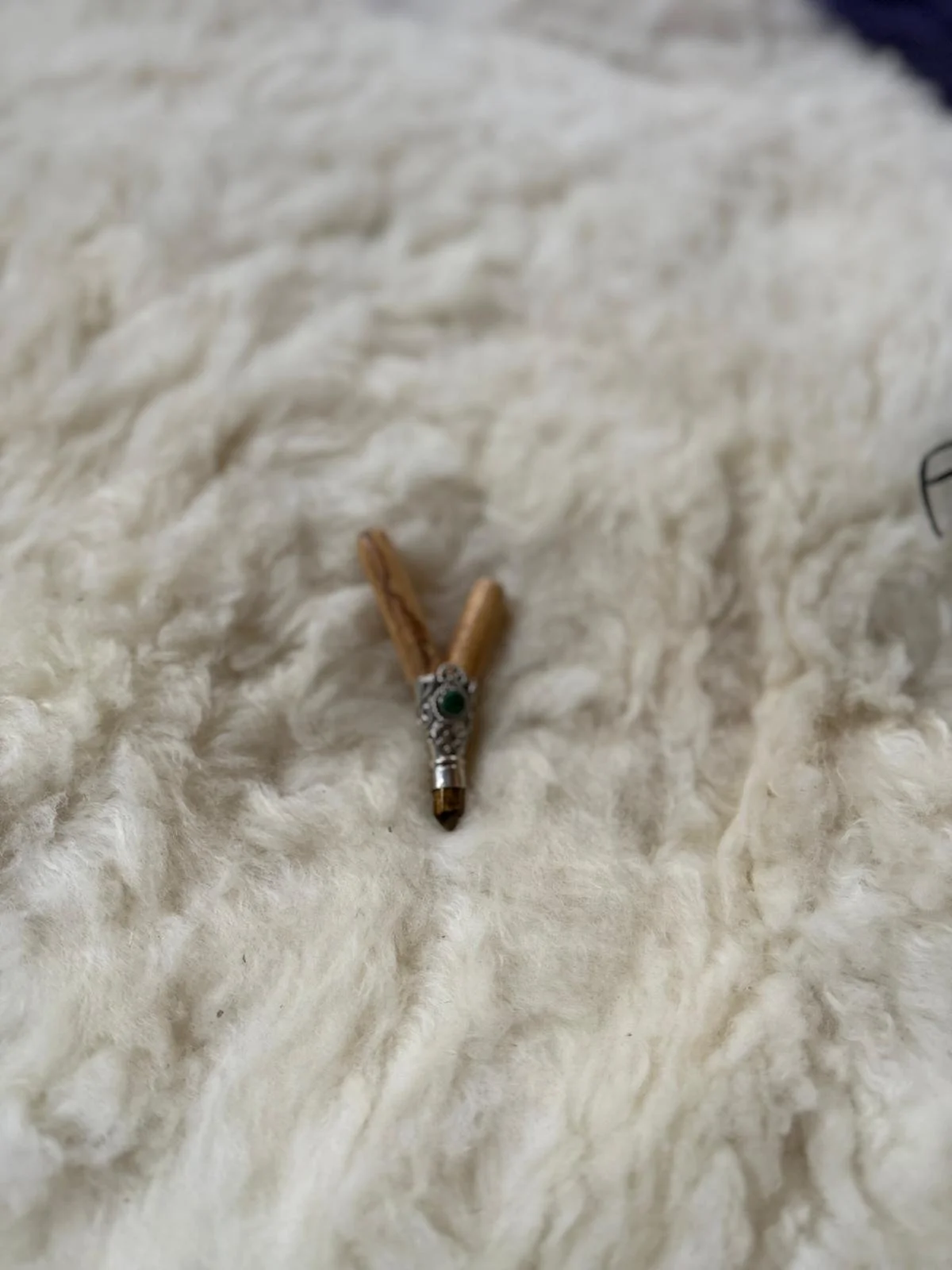
Traditional Kuripe - Handmade in Peru
A kuripe is a traditional self-applicator used for working with rapéh (rapeh); a sacred medicine traditionally used throughout parts of the Amazon for prayer, grounding, focus, cleansing, and connection.
More than simply an object, the kuripe is a ceremonial tool.
Something used intentionally.
With prayer.
With respect for the traditions and medicines it is connected to.
Each kuripe in our collection is handmade in Peru and sourced through Hugo and his family in Pisac, who have spent many years providing traditional medicines, ceremonial tools, and artisan work to their local community and to those walking this path with sincerity.
This Kuripe is made from sustainably sourced Palo Santo.
The medicine of the palo santo wood is of abundance and is soft and sweet.
Traditionally, kuripes are used as part of a personal ceremonial practice, supporting moments of prayer, stillness, grounding, intention, and clearing.
Not as a trend.
Not as performance.
But as a relationship built over time with the medicine and the space it is worked within.
Each piece is handmade individually, carrying its own variations in grain, carving, colour, and detail.
No two are exactly the same.
Perfect for:
Personal rapéh ceremony
Prayer & meditation practices
Altar spaces
Grounding & intentional ritual work
These tools are sourced in small quantities and chosen carefully through relationship with the families and makers who continue these traditions today.
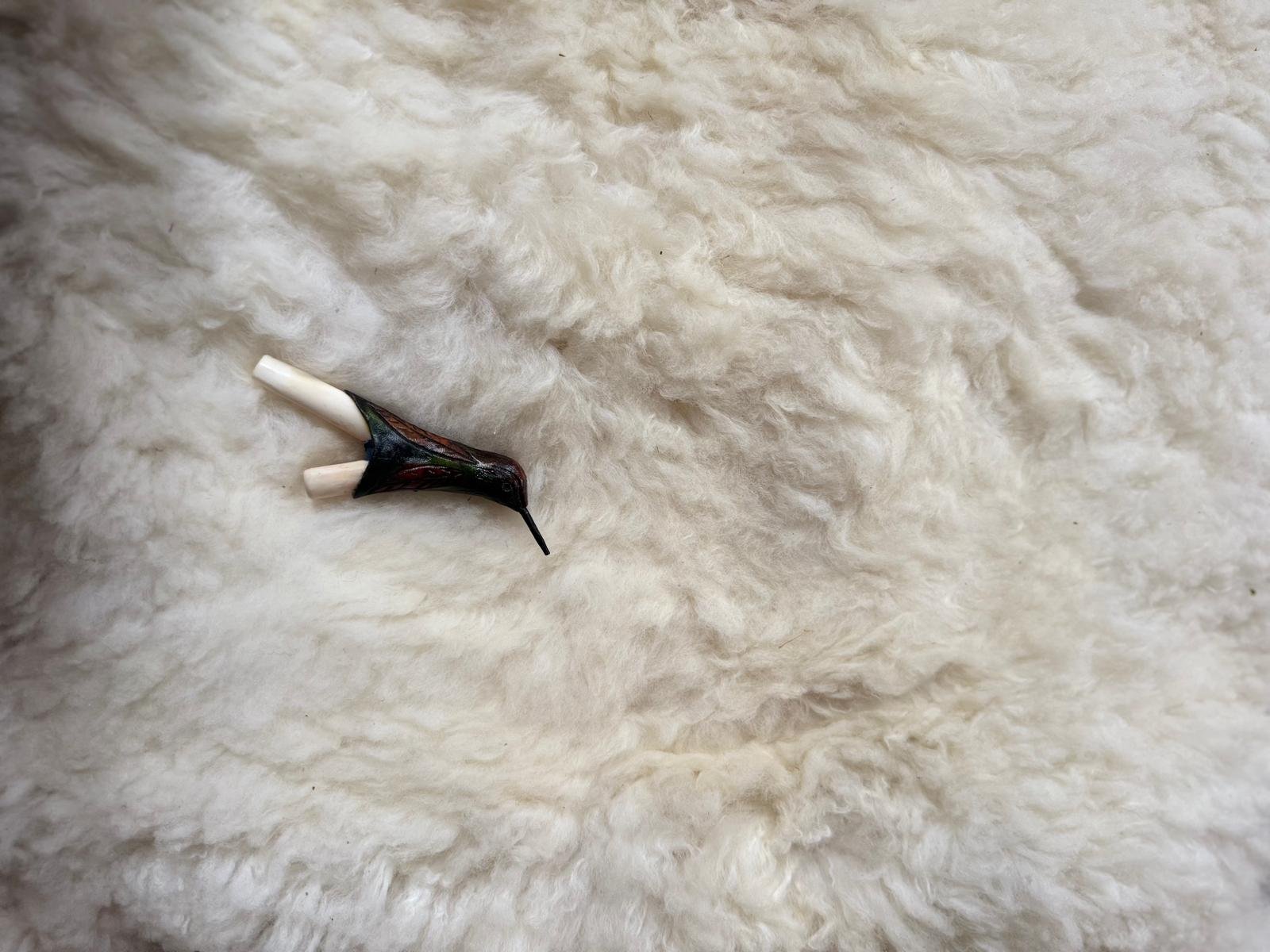
Traditional Kuripe - Handmade in Peru
A kuripe is a traditional self-applicator used for working with rapéh (rapeh); a sacred medicine traditionally used throughout parts of the Amazon for prayer, grounding, focus, cleansing, and connection.
More than simply an object, the kuripe is a ceremonial tool.
Something used intentionally.
With prayer.
With respect for the traditions and medicines it is connected to.
Each kuripe in our collection is handmade in Peru and sourced through Hugo and his family in Pisac, who have spent many years providing traditional medicines, ceremonial tools, and artisan work to their local community and to those walking this path with sincerity.
This Kuripe is made from Llama bone and carries the medicine of the hummingbird.
The hummingbird (colibri) represents the medicine of the heart, of love.
Traditionally, kuripes are used as part of a personal ceremonial practice, supporting moments of prayer, stillness, grounding, intention, and clearing.
Not as a trend.
Not as performance.
But as a relationship built over time with the medicine and the space it is worked within.
Each piece is handmade individually, carrying its own variations in grain, carving, colour, and detail.
No two are exactly the same.
Perfect for:
Personal rapéh ceremony
Prayer & meditation practices
Altar spaces
Grounding & intentional ritual work
These tools are sourced in small quantities and chosen carefully through relationship with the families and makers who continue these traditions today.
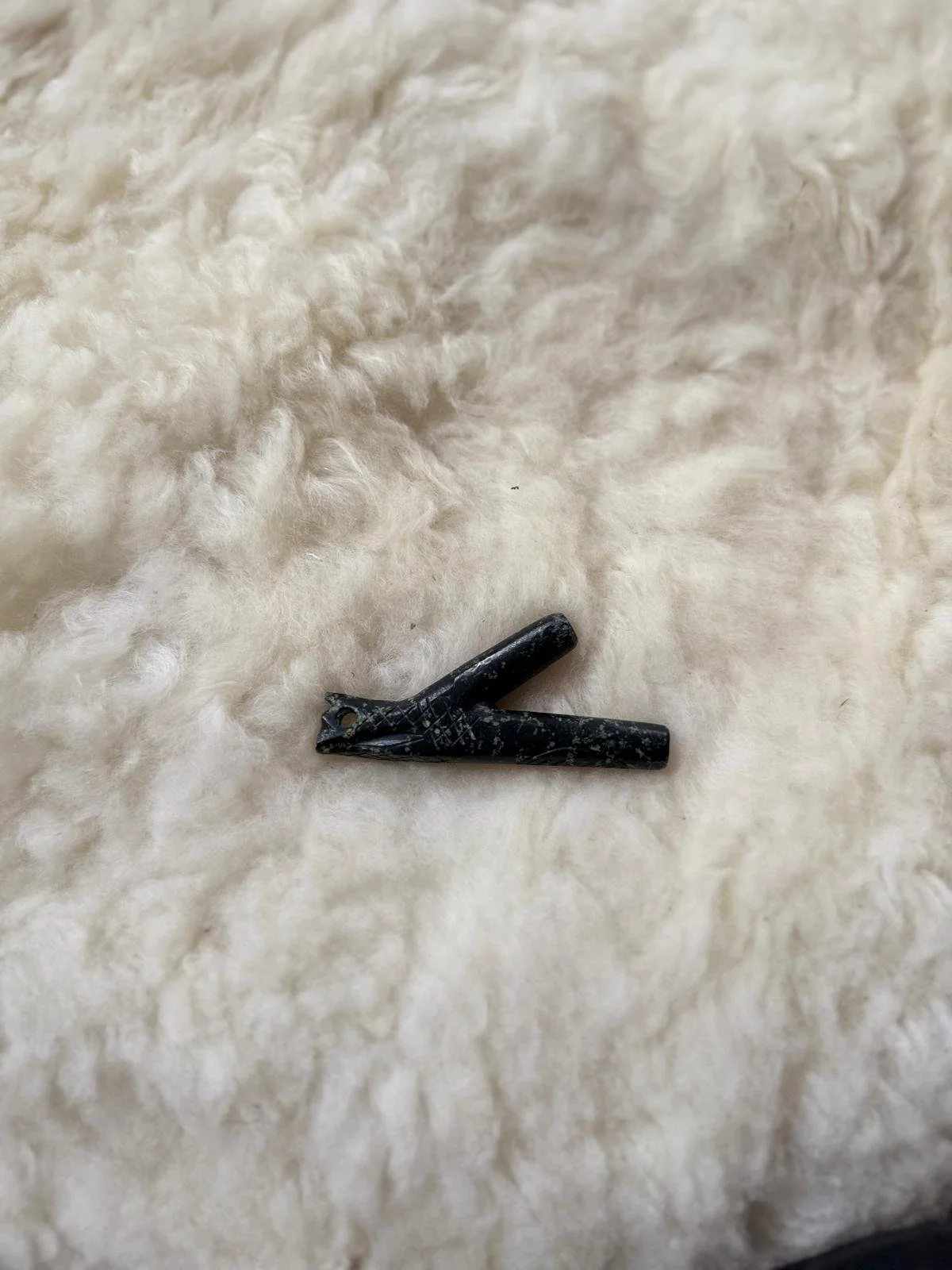
Traditional Kuripe - Handmade in Peru
A kuripe is a traditional self-applicator used for working with rapéh (rapeh); a sacred medicine traditionally used throughout parts of the Amazon for prayer, grounding, focus, cleansing, and connection.
More than simply an object, the kuripe is a ceremonial tool.
Something used intentionally.
With prayer.
With respect for the traditions and medicines it is connected to.
Each kuripe in our collection is handmade in Peru and sourced through Hugo and his family in Pisac, who have spent many years providing traditional medicines, ceremonial tools, and artisan work to their local community and to those walking this path with sincerity.
This Kuripe is made from Serpentine which has been sourced in the proximity of Cuzco, Peru.
The serpentine around Cuzco is black in colour whereas that of the North is more green.
This serpentine carving represents the snake (the animal of the underworld in the Andean cosmovision).
Traditionally, kuripes are used as part of a personal ceremonial practice, supporting moments of prayer, stillness, grounding, intention, and clearing.
Not as a trend.
Not as performance.
But as a relationship built over time with the medicine and the space it is worked within.
Each piece is handmade individually, carrying its own variations in grain, carving, colour, and detail.
No two are exactly the same.
Perfect for:
Personal rapéh ceremony
Prayer & meditation practices
Altar spaces
Grounding & intentional ritual work
These tools are sourced in small quantities and chosen carefully through relationship with the families and makers who continue these traditions today.
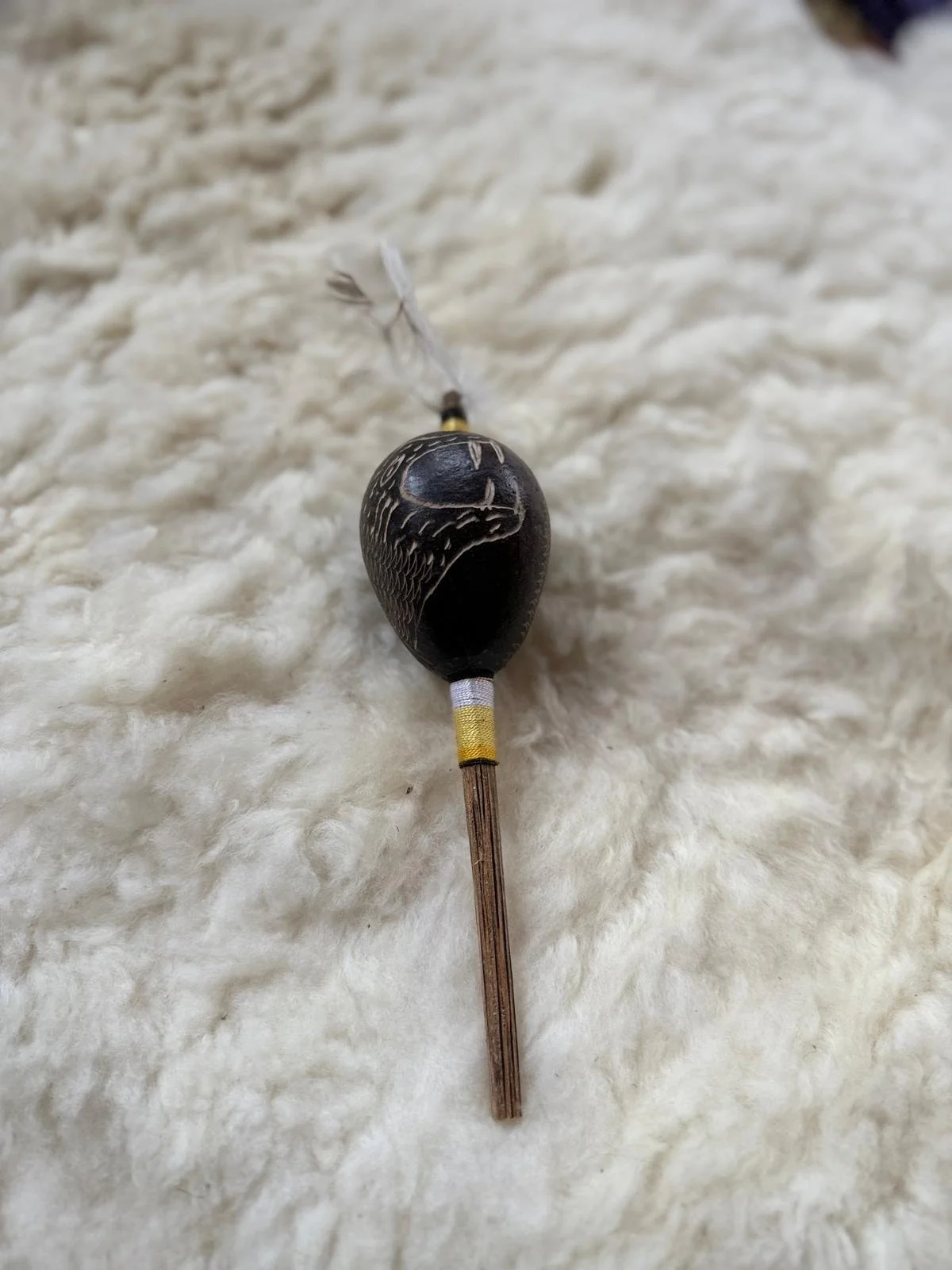
Handcrafted by Shipibo-Konibo artisans from the Peruvian Amazon, these traditional maracas are ceremonial instruments used for prayer, song, healing work, and energetic harmonisation.
For generations, rattles have played an important role in ceremonial traditions throughout the world. Within Shipibo culture, the rattle is often worked with alongside ícaros, sacred songs used during ceremony to guide, cleanse, protect, and bring balance to the space.
The patterns and designs found on these rattles are inspired by kené; the sacred geometric artwork traditional to the Shipibo-Konibo people. These energetic line patterns are deeply connected to visions, songs, and teachings received within ceremonial practice and are considered an important part of Shipibo cultural expression.
Totem / Design:
Jaguar and Eagle - two animals of power.
Jaguar the apex of the forest and eagle the animal of perspective and vision.
When shaken gently, these rattles carry a soft, grounding, meditative sound.
Faster rhythms can awaken energy, sharpen focus, and help shift the feeling of a space. Traditionally, rattles are used to support song, prayer, cleansing, and connection within ceremonial settings; though they are equally beautiful for music, meditation, altar work, and personal practice.
Materials
Each rattle is handmade using materials native to the Peruvian Amazon rainforest.
The rattle head is traditionally crafted from a huingo seed pod and filled with small seeds that create its distinct sound.
The handle is made from chonta wood; a sacred and highly valued hardwood throughout the Amazon.
Some pieces also include natural feathers
Every piece is individually handmade, meaning variations in sound, patterning, shape, and colour are part of the beauty and uniqueness of each rattle.
These are not factory-made instruments.
They are ceremonial tools carrying the artistry, symbolism, and traditions of the Amazon and the Shipibo-Konibo people.
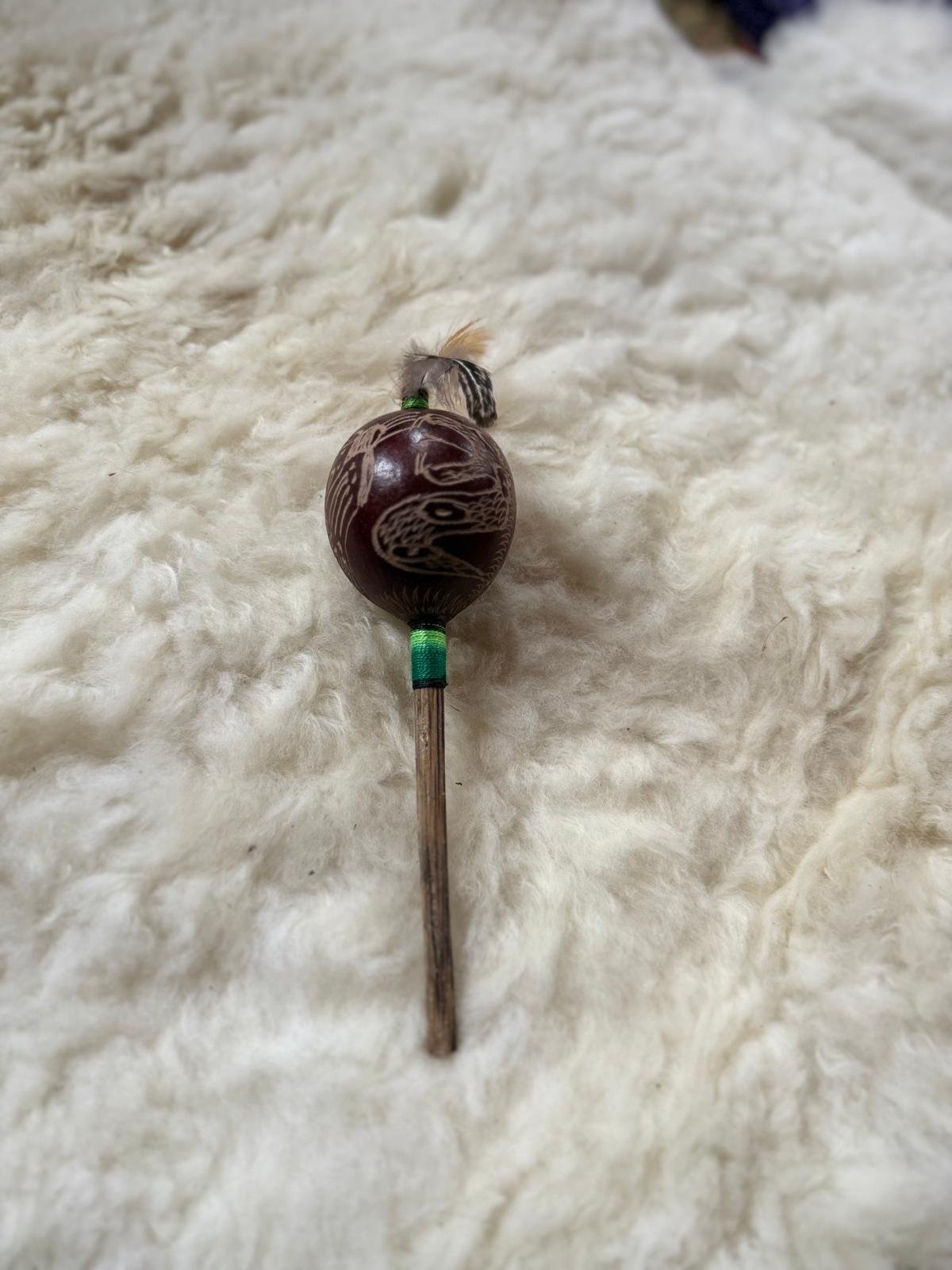
Handcrafted by Shipibo-Konibo artisans from the Peruvian Amazon, these traditional maracas are ceremonial instruments used for prayer, song, healing work, and energetic harmonisation.
For generations, rattles have played an important role in ceremonial traditions throughout the world. Within Shipibo culture, the rattle is often worked with alongside ícaros, sacred songs used during ceremony to guide, cleanse, protect, and bring balance to the space.
The patterns and designs found on these rattles are inspired by kené; the sacred geometric artwork traditional to the Shipibo-Konibo people. These energetic line patterns are deeply connected to visions, songs, and teachings received within ceremonial practice and are considered an important part of Shipibo cultural expression.
Totem / Design:
Snake and the Colibri
The snake is the guardian of the underworld and the colibri brings the heart medicine and love.
When shaken gently, these rattles carry a soft, grounding, meditative sound.
Faster rhythms can awaken energy, sharpen focus, and help shift the feeling of a space. Traditionally, rattles are used to support song, prayer, cleansing, and connection within ceremonial settings; though they are equally beautiful for music, meditation, altar work, and personal practice.
Materials
Each rattle is handmade using materials native to the Peruvian Amazon rainforest.
The rattle head is traditionally crafted from a huingo seed pod and filled with small seeds that create its distinct sound.
The handle is made from chonta wood; a sacred and highly valued hardwood throughout the Amazon.
Some pieces also include natural feathers
Every piece is individually handmade, meaning variations in sound, patterning, shape, and colour are part of the beauty and uniqueness of each rattle.
These are not factory-made instruments.
They are ceremonial tools carrying the artistry, symbolism, and traditions of the Amazon and the Shipibo-Konibo people.
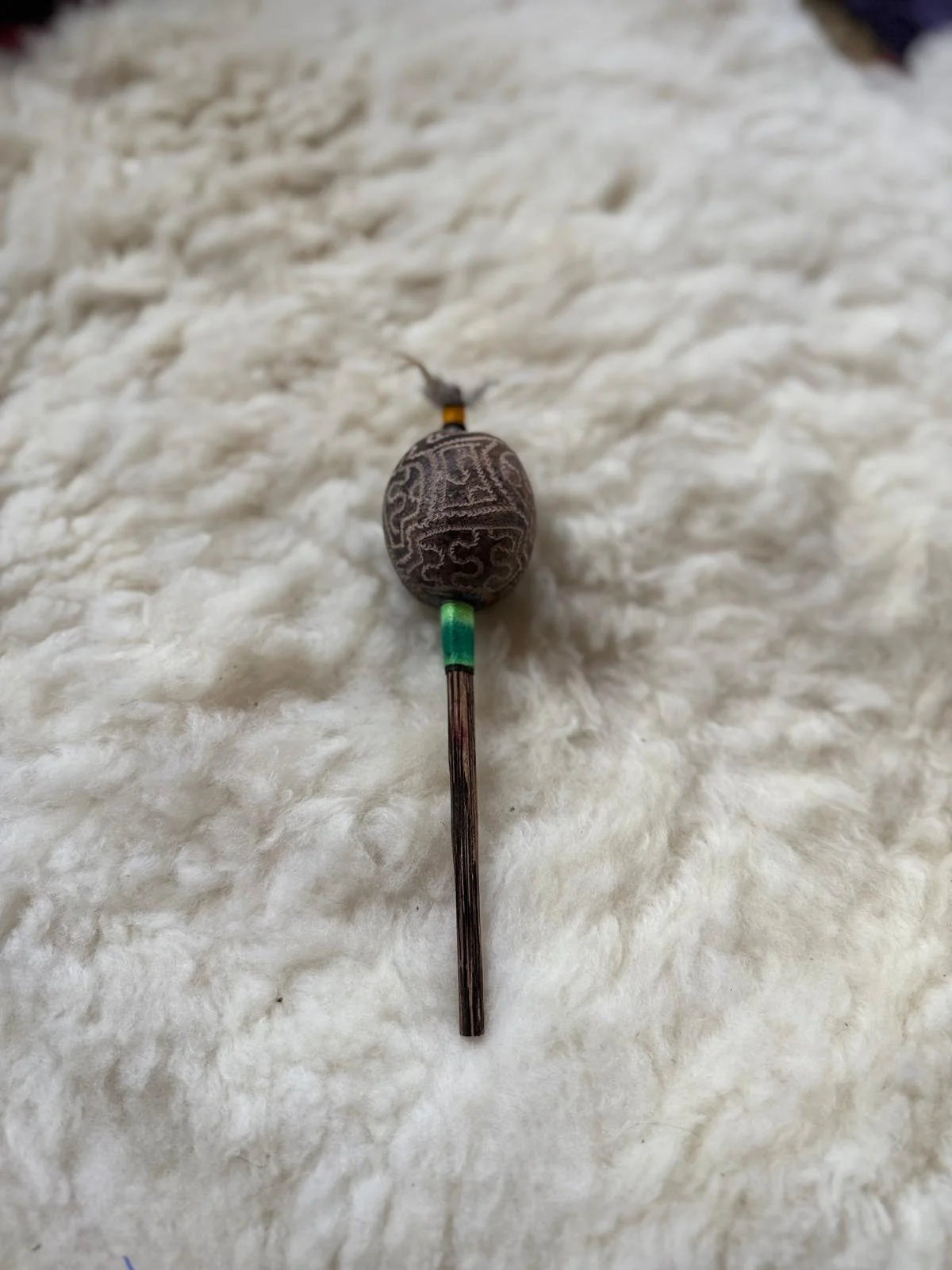
Handcrafted by Shipibo-Konibo artisans from the Peruvian Amazon, these traditional maracas are ceremonial instruments used for prayer, song, healing work, and energetic harmonisation.
For generations, rattles have played an important role in ceremonial traditions throughout the world. Within Shipibo culture, the rattle is often worked with alongside ícaros, sacred songs used during ceremony to guide, cleanse, protect, and bring balance to the space.
The patterns and designs found on these rattles are inspired by kené; the sacred geometric artwork traditional to the Shipibo-Konibo people. These energetic line patterns are deeply connected to visions, songs, and teachings received within ceremonial practice and are considered an important part of Shipibo cultural expression.
Totem / Design:
Kene design.
When shaken gently, these rattles carry a soft, grounding, meditative sound.
Faster rhythms can awaken energy, sharpen focus, and help shift the feeling of a space. Traditionally, rattles are used to support song, prayer, cleansing, and connection within ceremonial settings; though they are equally beautiful for music, meditation, altar work, and personal practice.
Materials
Each rattle is handmade using materials native to the Peruvian Amazon rainforest.
The rattle head is traditionally crafted from a huingo seed pod and filled with small seeds that create its distinct sound.
The handle is made from chonta wood; a sacred and highly valued hardwood throughout the Amazon.
Some pieces also include natural feathers
Every piece is individually handmade, meaning variations in sound, patterning, shape, and colour are part of the beauty and uniqueness of each rattle.
These are not factory-made instruments.
They are ceremonial tools carrying the artistry, symbolism, and traditions of the Amazon and the Shipibo-Konibo people.
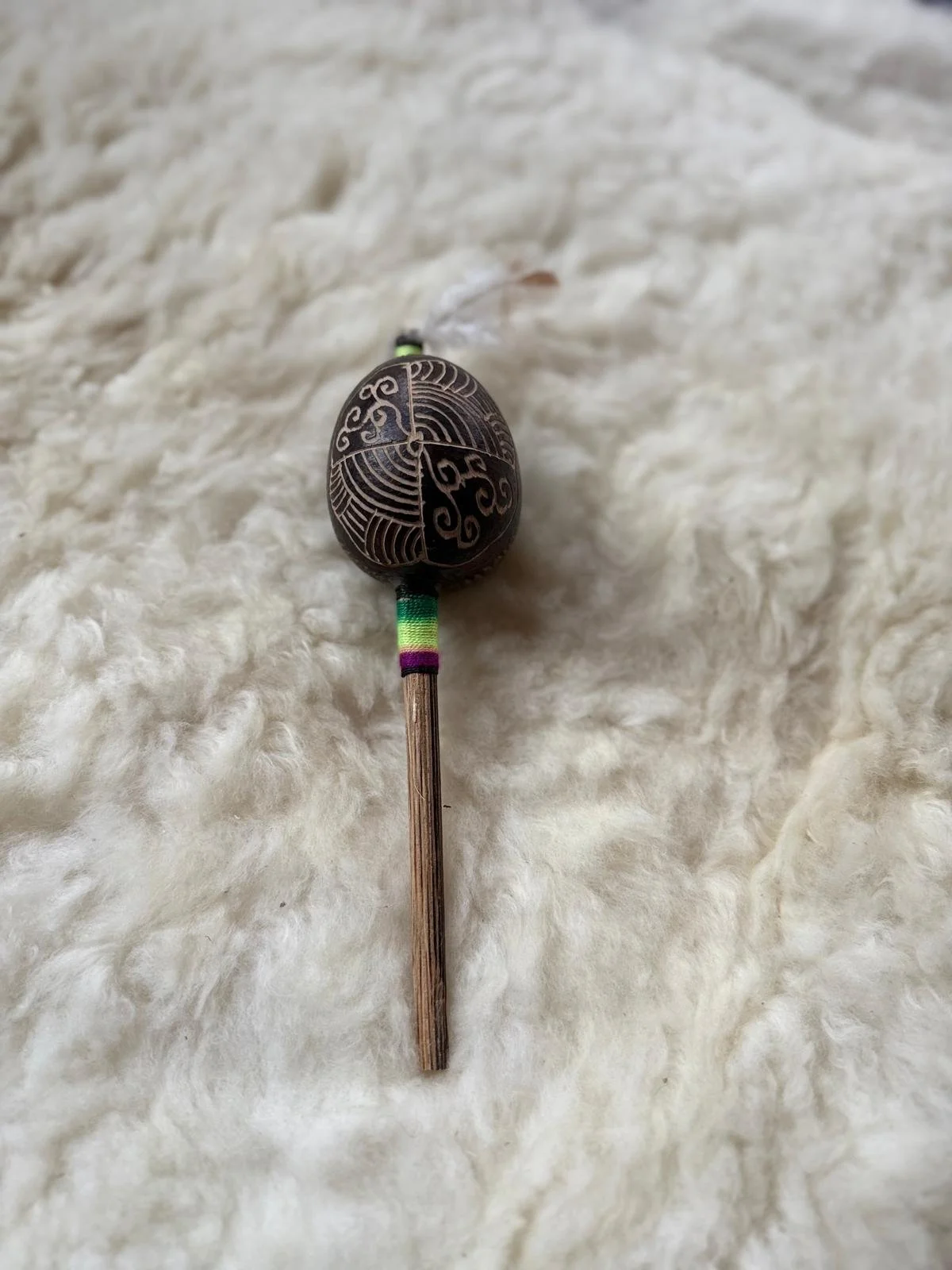
Handcrafted by Shipibo-Konibo artisans from the Peruvian Amazon, these traditional maracas are ceremonial instruments used for prayer, song, healing work, and energetic harmonisation.
For generations, rattles have played an important role in ceremonial traditions throughout the world. Within Shipibo culture, the rattle is often worked with alongside ícaros, sacred songs used during ceremony to guide, cleanse, protect, and bring balance to the space.
The patterns and designs found on these rattles are inspired by kené; the sacred geometric artwork traditional to the Shipibo-Konibo people. These energetic line patterns are deeply connected to visions, songs, and teachings received within ceremonial practice and are considered an important part of Shipibo cultural expression.
Totem / Design:
Colibri and Kene design.
The Colibri is pure heart medicine.
When shaken gently, these rattles carry a soft, grounding, meditative sound.
Faster rhythms can awaken energy, sharpen focus, and help shift the feeling of a space. Traditionally, rattles are used to support song, prayer, cleansing, and connection within ceremonial settings; though they are equally beautiful for music, meditation, altar work, and personal practice.
Materials
Each rattle is handmade using materials native to the Peruvian Amazon rainforest.
The rattle head is traditionally crafted from a huingo seed pod and filled with small seeds that create its distinct sound.
The handle is made from chonta wood; a sacred and highly valued hardwood throughout the Amazon.
Some pieces also include natural feathers
Every piece is individually handmade, meaning variations in sound, patterning, shape, and colour are part of the beauty and uniqueness of each rattle.
These are not factory-made instruments.
They are ceremonial tools carrying the artistry, symbolism, and traditions of the Amazon and the Shipibo-Konibo people.
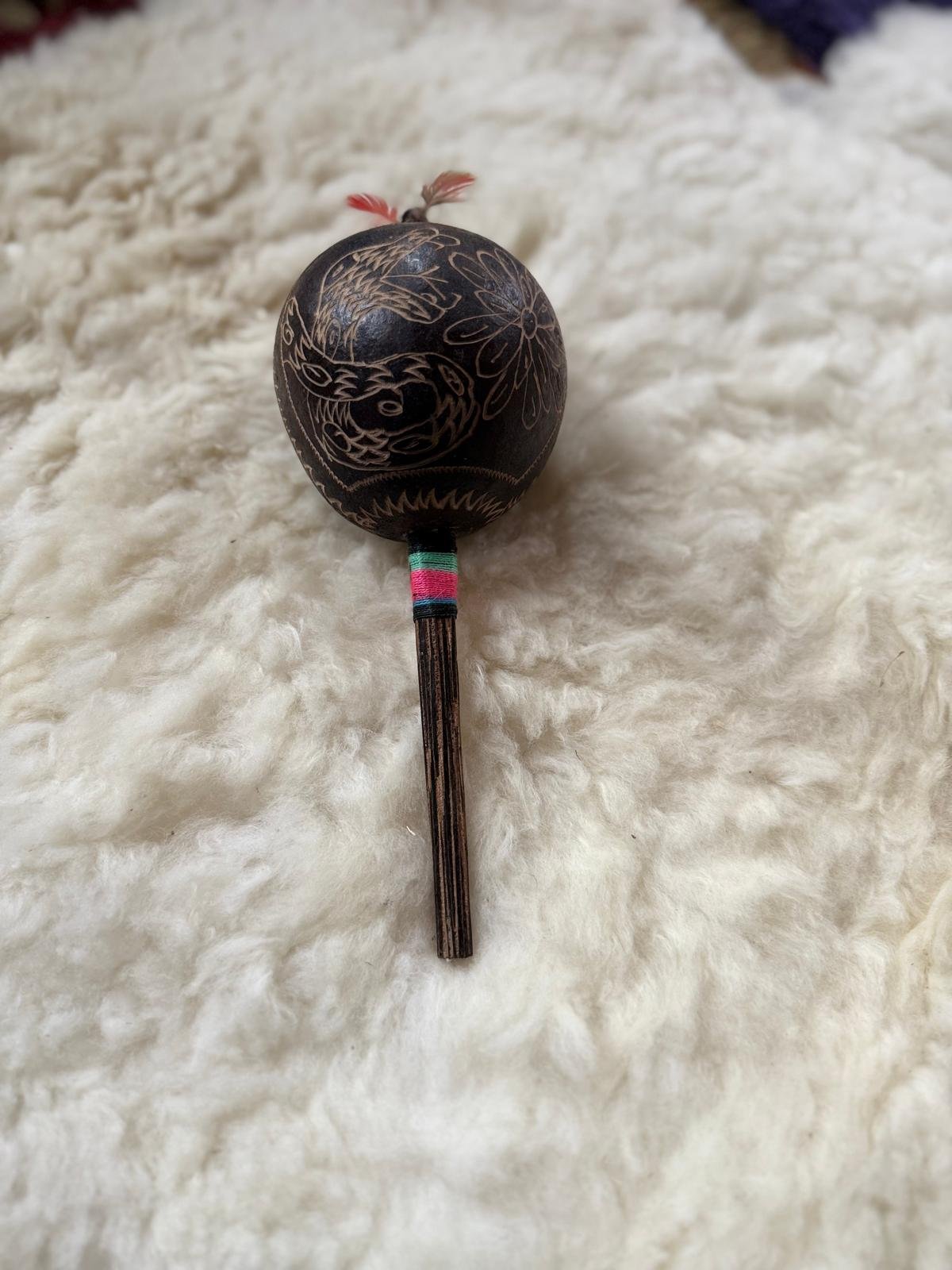
Handcrafted by Shipibo-Konibo artisans from the Peruvian Amazon, these traditional maracas are ceremonial instruments used for prayer, song, healing work, and energetic harmonisation.
For generations, rattles have played an important role in ceremonial traditions throughout the world. Within Shipibo culture, the rattle is often worked with alongside ícaros, sacred songs used during ceremony to guide, cleanse, protect, and bring balance to the space.
The patterns and designs found on these rattles are inspired by kené; the sacred geometric artwork traditional to the Shipibo-Konibo people. These energetic line patterns are deeply connected to visions, songs, and teachings received within ceremonial practice and are considered an important part of Shipibo cultural expression.
Totem / Design:
Snake, Flowers and the Sacred Vine.
The snake is the guardian of the underworld.
Flowers are the beauty in this world.
The sacred vine is the central ceremony to the jungle peoples culture.
When shaken gently, these rattles carry a soft, grounding, meditative sound.
Faster rhythms can awaken energy, sharpen focus, and help shift the feeling of a space. Traditionally, rattles are used to support song, prayer, cleansing, and connection within ceremonial settings; though they are equally beautiful for music, meditation, altar work, and personal practice.
Materials
Each rattle is handmade using materials native to the Peruvian Amazon rainforest.
The rattle head is traditionally crafted from a huingo seed pod and filled with small seeds that create its distinct sound.
The handle is made from chonta wood; a sacred and highly valued hardwood throughout the Amazon.
Some pieces also include natural feathers
Every piece is individually handmade, meaning variations in sound, patterning, shape, and colour are part of the beauty and uniqueness of each rattle.
These are not factory-made instruments.
They are ceremonial tools carrying the artistry, symbolism, and traditions of the Amazon and the Shipibo-Konibo people.
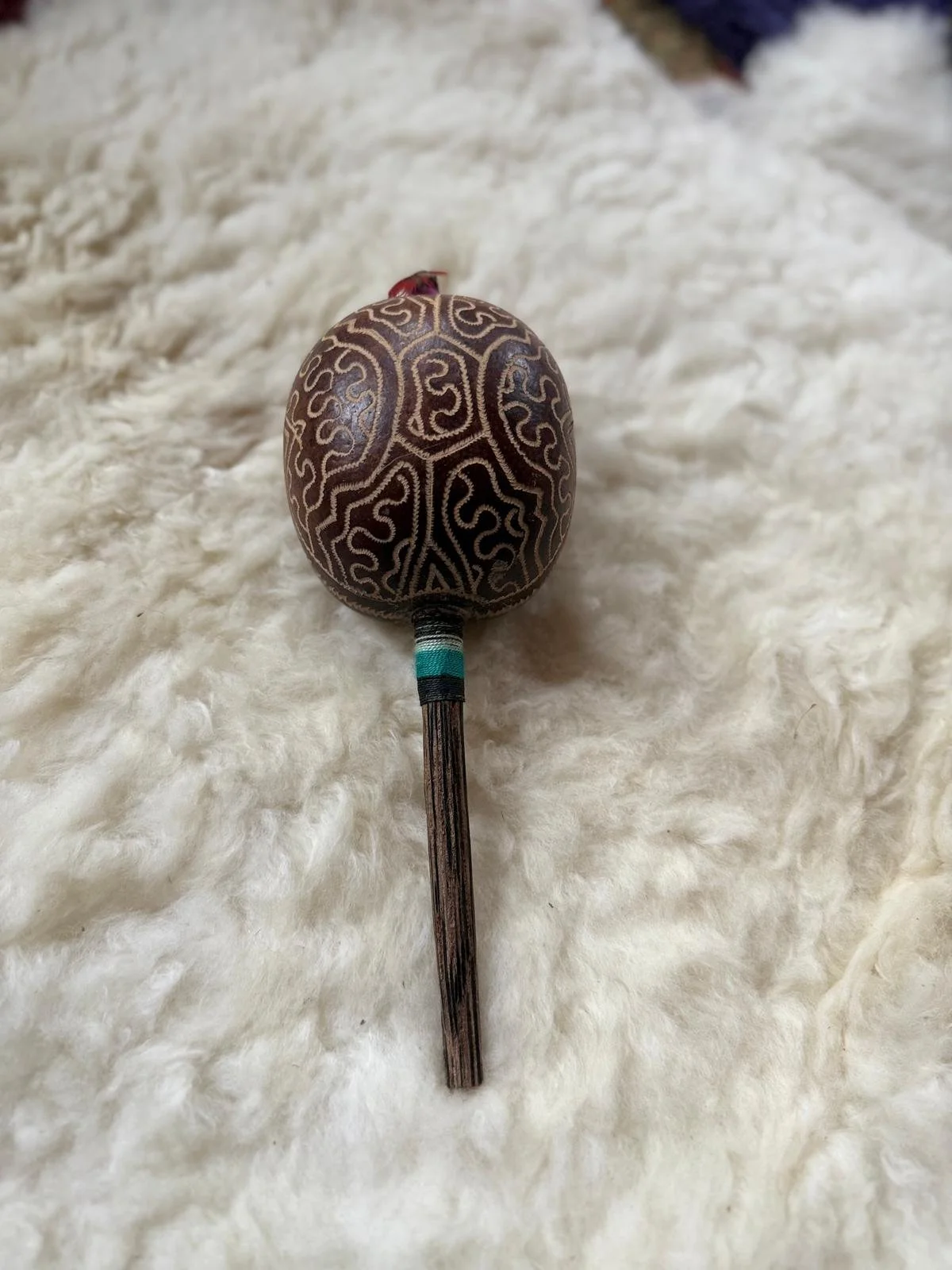
Handcrafted by Shipibo-Konibo artisans from the Peruvian Amazon, these traditional maracas are ceremonial instruments used for prayer, song, healing work, and energetic harmonisation.
For generations, rattles have played an important role in ceremonial traditions throughout the world. Within Shipibo culture, the rattle is often worked with alongside ícaros, sacred songs used during ceremony to guide, cleanse, protect, and bring balance to the space.
The patterns and designs found on these rattles are inspired by kené; the sacred geometric artwork traditional to the Shipibo-Konibo people. These energetic line patterns are deeply connected to visions, songs, and teachings received within ceremonial practice and are considered an important part of Shipibo cultural expression.
Totem / Design:
Kene Design.
When shaken gently, these rattles carry a soft, grounding, meditative sound.
Faster rhythms can awaken energy, sharpen focus, and help shift the feeling of a space. Traditionally, rattles are used to support song, prayer, cleansing, and connection within ceremonial settings; though they are equally beautiful for music, meditation, altar work, and personal practice.
Materials
Each rattle is handmade using materials native to the Peruvian Amazon rainforest.
The rattle head is traditionally crafted from a huingo seed pod and filled with small seeds that create its distinct sound.
The handle is made from chonta wood; a sacred and highly valued hardwood throughout the Amazon.
Some pieces also include natural feathers
Every piece is individually handmade, meaning variations in sound, patterning, shape, and colour are part of the beauty and uniqueness of each rattle.
These are not factory-made instruments.
They are ceremonial tools carrying the artistry, symbolism, and traditions of the Amazon and the Shipibo-Konibo people.
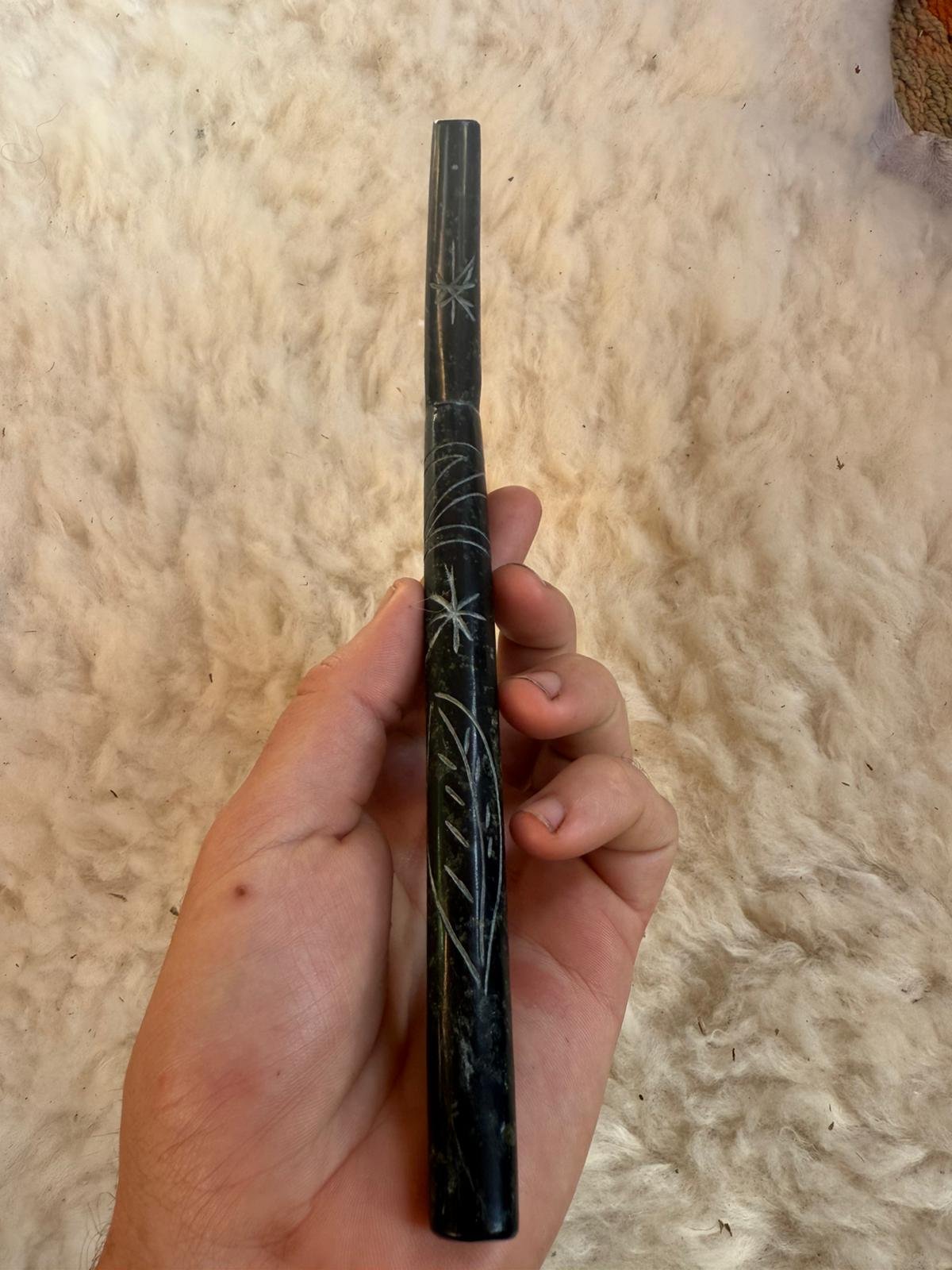
Hand Carved Serpentine Stone Rapé Applicator
This tepi is hand carved from Peruvian serpentine stone, shaped for ceremonial rapé application.
Serpentine carries a naturally grounded presence. Solid in weight and smooth in feel, this piece sits comfortably in the hand and offers a steady channel for serving medicine.
This black serpentine is sourced from Cusco, whereas the more green coloured serpentine used for other tools is sourced from further north parts of Peru.
The form is intentionally simple and balanced allowing the focus to remain on the prayer and the moment of exchange.
Natural variation in the stone ensures that each piece is one of a kind.
Made for practice.
Not decoration.
Details
* Hand carved serpentine stone
* Traditional tepi applicator for rapé
* Balanced for ceremonial use
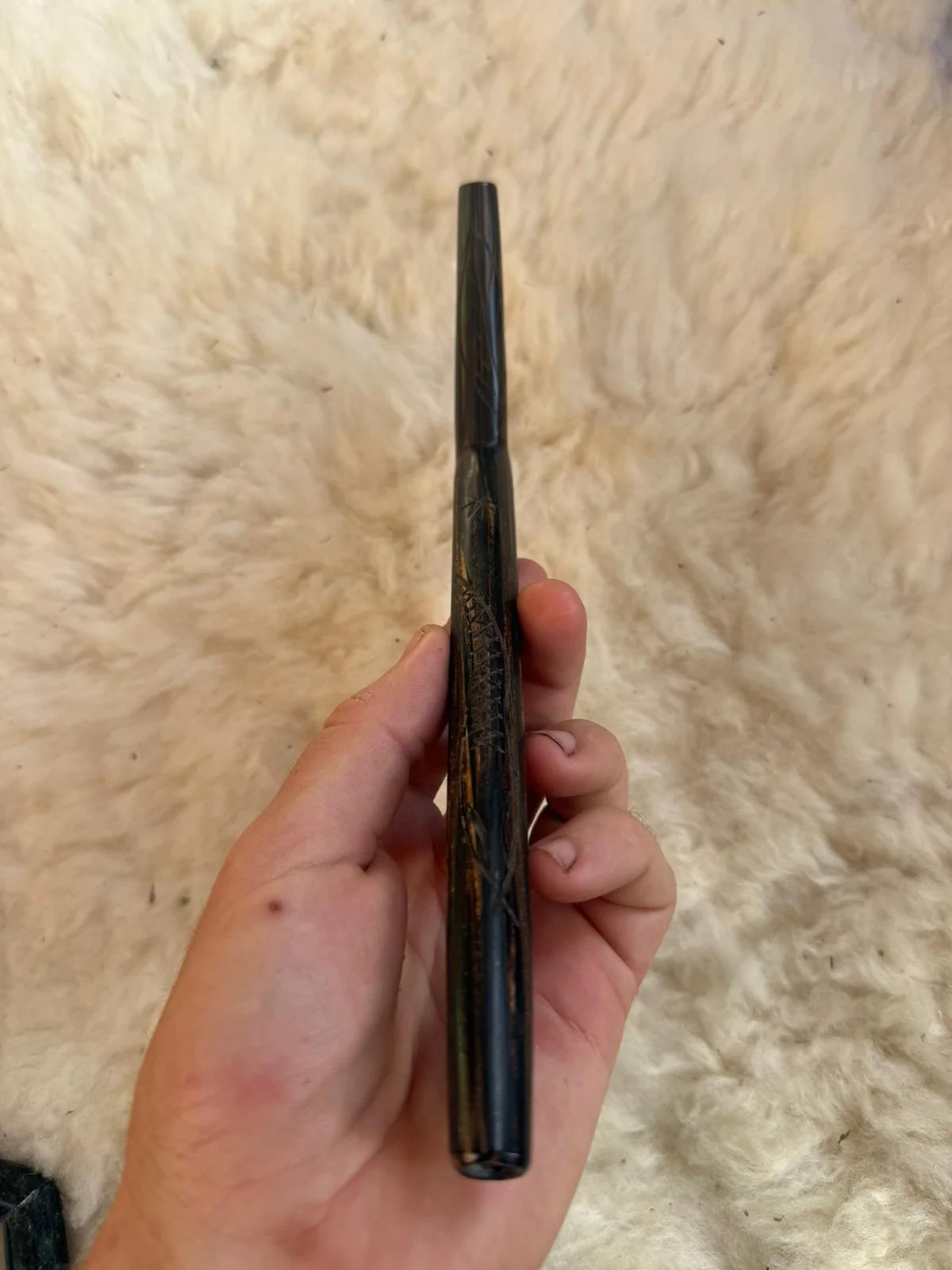
Hand Carved Chonta Rapeh Applicator (Tepi)
This tepi is hand carved from dhonta wood, shaped for ceremonial rapeh application.
Chonta is a wood from the amazon region, it is durable and dense and offers a very protective medicine.
The form is intentionally simple and balanced allowing the focus to remain on the prayer and the moment of exchange.
Made for practice.
Not decoration.
Details
* Hand carved chonta tepi
* Traditional tepi applicator for rapeh
* Balanced for ceremonial use
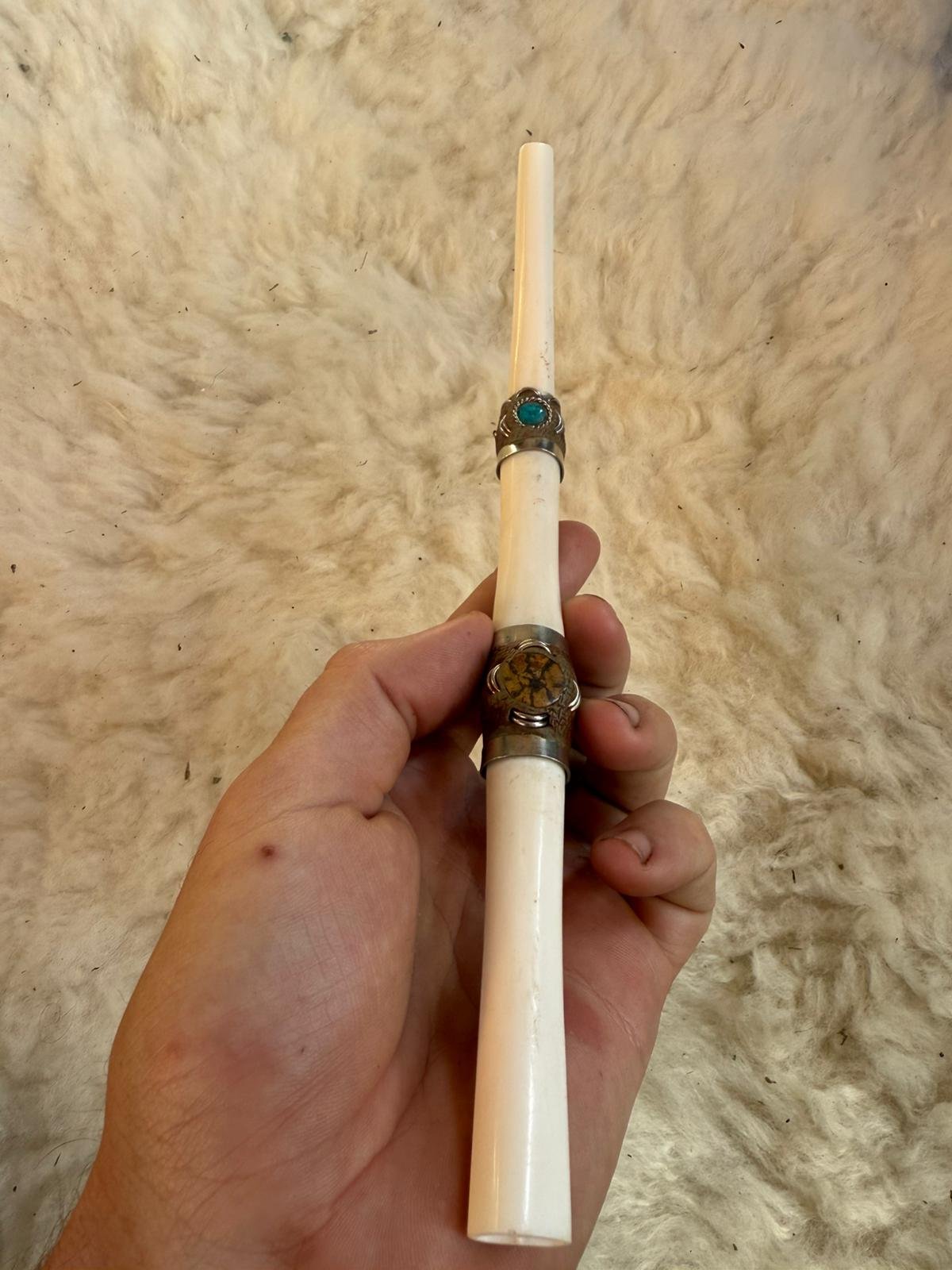
Llama Bone Rapé Applicator (Tepi)
This tepi is created from Llama bone, shaped for ceremonial rapé application.
Llama bone carries the medicine of abundance… the llama and animal that provides its meat and wool for the sustenance of the andean communities.
The form is intentionally simple and balanced allowing the focus to remain on the prayer and the moment of exchange.
Made for practice.
Not decoration.
Details
* Llama bone tepi
* Traditional tepi applicator for rapé
* Balanced for ceremonial use
Deer Medicine Drum - Handcrafted in Peru
This ceremonial medicine drum was handcrafted in Peru and carries the spirit of both mountain and forest medicine within its creation.
Made with natural cow hide stretched over a wooden frame, each drum carries its own unique tone, resonance, and character. Painted onto the drum is the image of the deer; a being long associated across many traditions with sensitivity, gentleness, intuition, listening, and the ability to move softly between worlds.
The deer reminds us of presence.
Of awareness.
Of walking with both strength and softness.
In ceremonial spaces, the drum is often referred to as the heartbeat - grounding prayer, song, and intention back into the body and into the Earth.
And it is a tool that helps you develop a deeper connnection with your heart, as the drum becomes an extension of your heart.
Whether used in meditation, song circles, prayer, sweat lodge, healing work, or personal practice, these drums are created to be lived with and built into relationship over time.
Not simply displayed.
But played.
Listened to.
Returned to.
Size (as pictured)
- Centre line: 37cm
- Point to point: 39cm
This piece includes:
Handcrafted medicine drum
Drum beater / stick
Andean woven carry bag
Materials:
Natural cow hide
Wooden frame
Hand-painted deer design
Andean textile carry case
Made in Pisac, Peru